Crime Scene Cleanup Versus General Cleaning
Crime scene cleanup is not a deeper version of house cleaning. It is a different kind of work, built around bloodborne pathogen risk: it uses protective equipment and training that general cleaners do not usually need, disinfectants chosen for specific pathogens and used by their labels, removal of materials that cannot be made safe, regulated disposal of contaminated waste, and written records of what was done.
This guide sets the two side by side. It explains where the differences come from, which rules shape them, when a regular cleaner is the right call, and how the two can work in sequence on the same property.
If a crime happened in your home, the decision about who to call is one more thing on a heavy list. It is fine to ask questions before deciding.
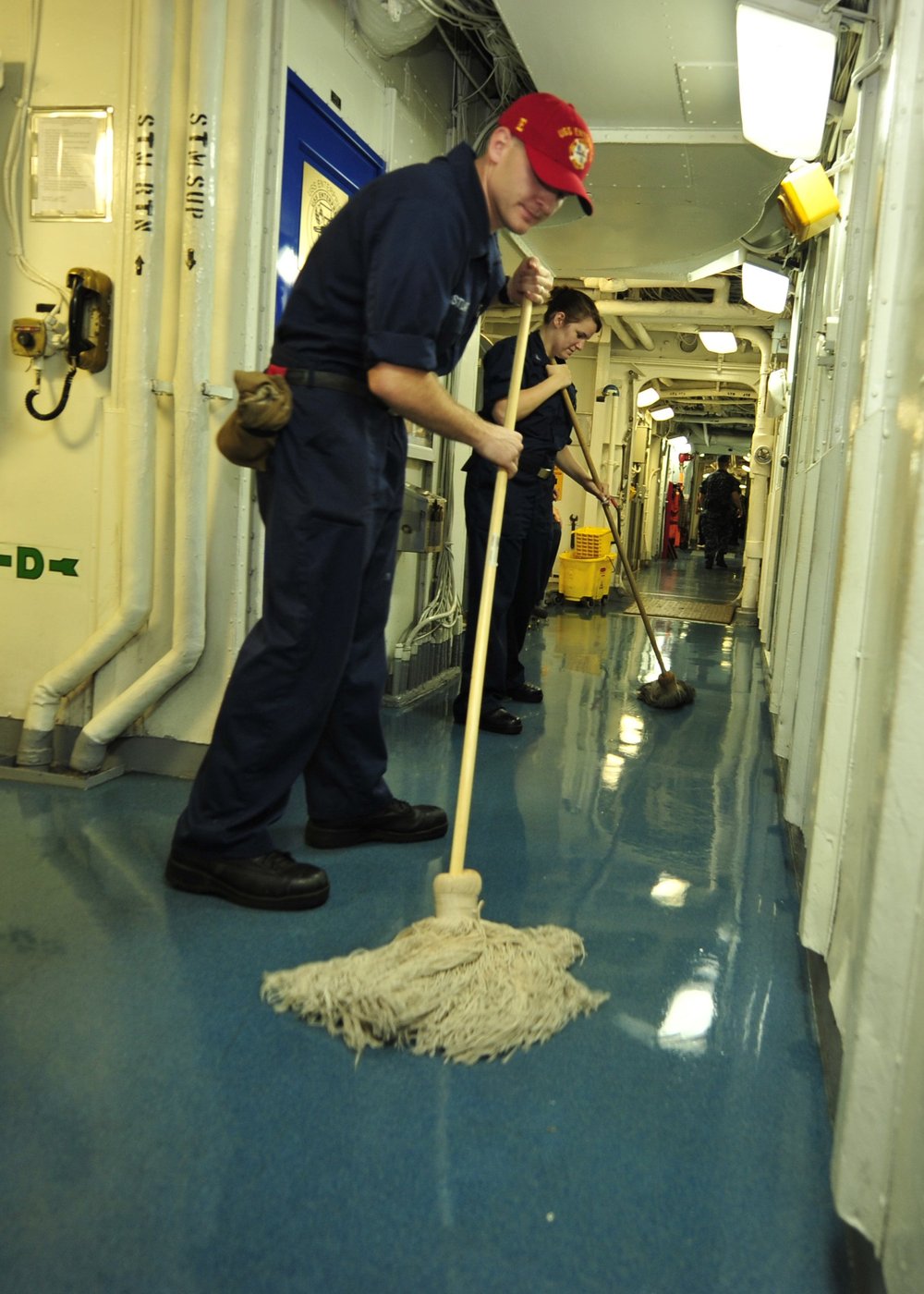
Photo: U.S. Navy, public domain, via Wikimedia Commons
The core difference in one paragraph
General cleaning removes everyday dirt, dust and grime so that a space looks and feels clean. Crime scene cleanup, also called biohazard or trauma cleanup, deals with blood and other potentially infectious materials left by a traumatic event, with the goal of making the space safe to use again. The first is about appearance and hygiene. The second is about locating and removing infectious material, protecting the people doing the work, and handling the waste correctly. Most of the other differences flow from that.
A general cleaner is the right choice for routine housekeeping, move-out cleaning or a tidy-up after a party. A biohazard provider is the right choice when blood or bodily fluids are involved beyond a small household spill, especially after a crime, a death or a serious injury. Our overview of crime scene cleanup in Nashville describes that service, and what professional crime scene cleanup involves walks through the full process.
A side-by-side comparison
| Area | General cleaning | Crime scene cleanup |
|---|---|---|
| Main goal | Visible cleanliness and routine hygiene | Removing biological contamination and making the area safe to use |
| Hazard focus | Dust, dirt, everyday germs | Blood and other potentially infectious materials |
| Worker protection | Gloves, sometimes basic eye protection | PPE selected for bloodborne pathogen exposure, often including respirators |
| Training | Product use and housekeeping methods | Bloodborne pathogen training, PPE use, chemical hazard communication, waste handling |
| Products | Household or janitorial cleaners | EPA-registered disinfectants with label claims for the relevant pathogens, used per label |
| Porous materials | Vacuumed, shampooed or spot-cleaned | Assessed and often removed when soaked |
| Waste | Household or commercial trash | Contaminated material packaged and disposed of as regulated waste |
| Records | Usually none beyond an invoice | Photos, written scope, itemized invoice |
| Starting point | Any time | Only after police and the medical examiner release the scene |
The sections below explain each of these rows in more detail.
Training and the rules behind it
The biggest underlying difference is the regulatory framework for the workers. The OSHA Bloodborne Pathogens Standard, 29 CFR 1910.1030, applies to employers whose employees have occupational exposure to blood or other potentially infectious materials. Crime scene cleanup work involves that exposure as a matter of course.
Among other things, the standard requires an employer to have a written exposure control plan, to provide personal protective equipment, to train employees on the hazards and precautions, and to offer the hepatitis B vaccination to employees with occupational exposure. It also sets out how contaminated work surfaces are decontaminated and how regulated waste is contained.
Two other OSHA standards often come into play:
- Respiratory protection (29 CFR 1910.134). Where respirators are required, the employer must have a written respiratory protection program, provide a medical evaluation before use, fit test each employee on the respirator they will wear, and train employees at least annually.
- Hazard communication. The products used carry labels and safety data sheets, and employers train workers to understand the hazard information on them.
A general cleaning business may follow some of these rules, depending on its work, but routine housekeeping does not normally involve occupational exposure to blood. Crime scene cleanup is built around it.
Protective equipment you will see
On a crime scene cleanup, you can expect workers to wear more than gloves. The OSHA standard defines personal protective equipment as specialized clothing or equipment worn for protection against a hazard, and specifically says that ordinary work clothes not intended to protect against a hazard do not count.
Depending on the situation, that typically means some combination of:
- Disposable gloves, often doubled
- Fluid-resistant coveralls or suits
- Shoe or boot covers
- Eye and face protection
- Respiratory protection, where the work calls for it
Protective gear is put on before entering the work area and removed in a controlled way when leaving it, so that contamination is not carried into the rest of the property or into a vehicle. Our guide to professional cleanup equipment and PPE describes these items and why each is used.
In general cleaning, the equipment is lighter because the hazard is lower. That is appropriate for its purpose, but it is not designed for blood exposure.
Disinfectants: chosen for the pathogen, used by the label
Most homes contain cleaning sprays that say "disinfects" on the bottle. The difference in crime scene cleanup is not that the products are secret. It is how they are chosen and how they are used.
Matched to bloodborne pathogens
The EPA maintains lists of registered antimicrobial products with approved claims against specific pathogens. For bloodborne pathogens, the current list is List S, which covers products effective against HIV, hepatitis B and hepatitis C. It replaced several older lists, including List D, which covered HIV-1 and hepatitis B. Registered products may only claim effectiveness against these pathogens when the EPA has reviewed and approved that claim for the label.
Used according to the label
A disinfectant works only when it is used as the label directs. The EPA notes that the surface should remain visibly wet for the entire contact time, with more product applied if it dries early. In practice, that means a quick spray-and-wipe often does not meet the label conditions.
Cleaning comes first
The CDC's environmental infection control guidance describes cleaning as the necessary first step of disinfection, because organic matter interferes with how disinfectants act, and it advises removing most organic matter from large spills before final disinfection. Crime scene cleanup follows that order: remove, clean, then disinfect.
We describe our approach simply: EPA-registered disinfectants used according to label directions.
Removal and waste: where the jobs diverge most
A general cleaner works with the materials in a room. A biohazard crew decides which materials can stay at all.
Carpet pad, mattresses, upholstered furniture and drywall that have soaked up blood or bodily fluids usually cannot be cleaned reliably from the inside, so they are cut out and removed. The reasoning is explained in what happens to contaminated porous materials.
What happens next is also different. The OSHA standard defines regulated waste to include items that would release blood or other potentially infectious materials if compressed, and items caked with dried blood that can release it when handled. It requires regulated waste to go in closable, leak-resistant, labeled or color-coded containers that are closed before removal. In Tennessee, TDEC's special waste guidance treats medical waste as a special waste that generally cannot be managed at an ordinary solid waste disposal facility without treatment to render it non-infectious.
A general cleaner's waste goes in the trash. Contaminated material from a crime scene does not. At Nashville 24/7 Biohazard Disposals, it is packaged and disposed of in line with applicable Tennessee and federal requirements.
Records and accountability
General cleaning rarely produces more than an invoice. Crime scene cleanup usually produces records that serve several people at once.
- Before photos showing affected areas
- A written scope describing what will be cleaned, what will be removed and why
- An itemized invoice that lists the work and materials
- Notes on items set aside for the family or owner
These records help you understand what was done. They can also be given to an insurer, a landlord, a property manager or a contractor who does repairs. Some property insurance policies may cover some of this work, but coverage depends entirely on the policy and the insurer. More on records is in understanding documentation in biohazard remediation.
Discretion, timing and the human side
Some differences are less technical but matter just as much to the people involved.
Starting only after release
Crime scene cleanup begins only after police and, where involved, the medical examiner have released the property. If anyone is hurt or in danger, call 911 first. A general cleaning appointment has no such step.
Working around grief and shock
The people who call for this work are often in the worst week of their lives. The pace, the language and the way questions are asked all need to reflect that. You should never feel rushed or pressured.
Privacy
Neighbors notice vehicles and activity. It is reasonable to ask how a crew will keep the work low-key. Our guide on how to communicate with a cleanup company during a difficult event covers what to ask.
Personal belongings
Valuables and keepsakes found in the work area are set aside rather than discarded. That is part of the job, not an extra.
What a routine clean tends to miss
Even a careful, experienced housekeeper works from a different checklist. Routine cleaning is designed around the places dirt usually collects, such as counters, floors, sinks and high-touch surfaces. After a traumatic event, contamination follows different rules, and the places it hides are often places a routine clean never touches.
- Underneath the carpet. A carpet surface can be vacuumed and spot-treated until it looks fine while the pad and subfloor below still hold material.
- Behind and beneath trim. Liquid can run under baseboards, door casings and the edges of cabinets.
- Inside furniture. Cushions, frames and the undersides of sofas and beds are not part of a normal clean.
- Small, scattered droplets. These can be on walls, ceilings, light fixtures, outlets and switches some distance from the main area, and are easy to overlook in ordinary lighting.
- Routes through the home. Hallways, stair treads, door handles and entryways used by responders or family members.
- Vehicles and equipment. In businesses, items such as carts, chairs or shared tools that were moved during the emergency.
A biohazard assessment goes looking for these on purpose, using strong lighting, moisture readings and, where needed, lifting a corner or removing a trim piece. How that search works is set out in how professionals assess affected rooms and materials. The result is a scope that covers what is hidden as well as what is visible, which is the practical difference most people notice once the work is done.
When a general cleaner is the right call
Not every situation calls for a biohazard provider, and it is fair to say so.
For a small spill on a hard household surface, such as a minor kitchen cut, a household can follow CDC and public-health guidance. A general cleaner is also a good fit for the parts of a property that were never affected, and for routine cleaning once biohazard work is complete.
Call a biohazard provider instead when any of these apply:
- Blood or bodily fluids are involved beyond a small, contained spill
- Any porous material, such as carpet, a mattress or upholstery, was reached
- Contamination may be hidden under flooring, behind trim or in vents
- The incident involved a crime, a death or a serious injury
- Odor suggests material remains somewhere
- Cleaning it yourself, or asking a friend or staff member, would be emotionally too much
A cleaning company that does not normally handle blood exposure may also decline the job, and it is reasonable for them to do so. Our guides on the limits of household cleaning and why professional biohazard cleanup may be necessary explore this boundary further.
How the two can work in sequence
On many properties, both kinds of cleaning have a place, one after the other.
Scene released
Police and the medical examiner complete their work and release the property.
Biohazard assessment and cleanup
Affected areas are assessed, contaminated materials removed, surfaces cleaned and disinfected, and waste removed.
Repairs if needed
Where flooring or drywall was removed, a contractor handles replacement. See biohazard cleanup versus standard restoration.
General cleaning
Once the space is safe and repaired, a regular cleaner can do a whole-property clean, especially before a sale, a move or a new tenant.
Property managers and business owners often set up this sequence in advance. Our pages on crime scene cleanup for property managers and commercial crime scene cleanup explain how we fit into it.
Myths that blur the line
Myth
- Police or the city clean up after a crime
- Bleach and a mop will handle anything
- If it looks clean, it is clean
- Any cleaning company can do this work
- Steam cleaning carpet makes it safe
What is closer to the truth
- Responders investigate and leave; cleanup is usually the owner's or family's responsibility
- Disinfection needs the right product, a cleaned surface and the full contact time
- Contamination can sit in pads, seams and subfloors out of sight
- Bloodborne pathogen work carries specific worker protection rules
- Steam and shampoo can push liquid deeper into the pad and subfloor
For property owners who are new to this, what property owners should know after a crime scene covers responsibilities and next steps.
Cost and insurance differences
Because crime scene cleanup involves protective equipment, specialized products, material removal, regulated disposal and documentation, it is priced differently from general cleaning. There is no flat hourly or per-room rate that fits every job. Pricing is based on a written scope after an assessment, and depends on the extent of contamination, the materials involved, the number of rooms, access, and the volume of waste. Our pricing page and how biohazard cleanup pricing is determined explain the factors.
On insurance, some property policies may cover some of this work and some may not. It depends entirely on the policy and the insurer, so ask your insurer directly. If the incident was a crime in Tennessee that happened in the victim's or an eligible relative's home, the state's Criminal Injuries Compensation program may cover up to $3,000 for cleaning and removal of materials, subject to its eligibility rules. Repairs are not covered by that benefit.
What to remember when choosing
General cleaning and crime scene cleanup share a goal of a usable space, but they get there differently. Crime scene cleanup is shaped by bloodborne pathogen risk: trained workers in protective equipment, EPA-registered disinfectants with the right claims used by their labels, removal of porous materials that cannot be made safe, regulated disposal under Tennessee and federal rules, and written records.
A general cleaner is right for routine work and for the unaffected parts of a property. A biohazard provider is right when blood or bodily fluids go beyond a small, hard-surface spill, and especially after a crime, death or serious injury. The two often work in sequence.
Nashville 24/7 Biohazard Disposals serves homes, rentals and businesses across Middle Tennessee from our Nashville base. Call (615) 513-5112 any time, or see residential crime scene cleanup for how we work in homes.
Questions people ask
Can my regular house cleaner handle a crime scene?
Usually not. Regular cleaners are not normally equipped or trained for bloodborne pathogen exposure, and they generally cannot dispose of contaminated material as regulated waste. Many will decline the job. A regular cleaner can be helpful later, once biohazard work and any repairs are done.
Is bleach enough to disinfect blood?
Disinfection depends on using a product with the right label claims, on a surface that has been cleaned first, for the full contact time on the label. The CDC notes that organic matter interferes with disinfectants. On porous materials, the inside often cannot be reached at all, which is why removal is common.
What is EPA List S?
It is the EPA's list of registered antimicrobial products effective against bloodborne pathogens, specifically HIV, hepatitis B and hepatitis C. It replaced older lists, including List D. Products on it should still be used according to their label directions.
Do crime scene cleaners have to follow OSHA rules?
The OSHA Bloodborne Pathogens Standard applies to employers whose employees have occupational exposure to blood or other potentially infectious materials. It requires an exposure control plan, protective equipment, training and an offer of hepatitis B vaccination, among other things.
Will the police clean up after they finish?
No. Police and medical examiners investigate and then release the scene. Cleanup is usually the responsibility of the property owner, the family or the business. Cleanup should begin only after that release.
Can a janitorial company clean a workplace incident?
For a small spill on a hard surface, a janitorial team following the employer's bloodborne pathogen procedures may be appropriate. For larger incidents, porous materials or anything involving a crime or serious injury, a biohazard provider is the usual choice. See workplace biohazard cleanup.
Does crime scene cleanup include repairing walls and floors?
Cleanup includes removing contaminated materials and cleaning and disinfecting what remains. Replacing drywall, flooring and paint is generally a contractor's job. We will tell you if your project will need one.
Sources
- OSHA Bloodborne Pathogens Standard (29 CFR 1910.1030)
- OSHA Respiratory Protection Standard (29 CFR 1910.134)
- OSHA: Hazard Communication
- EPA: Selected EPA-Registered Disinfectants
- CDC: Environmental Services, Guidelines for Environmental Infection Control
- TDEC Division of Solid Waste Management: Special Waste Guidance
- Tennessee Department of Treasury: Criminal Injuries Compensation
Not sure which kind of cleaning you need
Describe the situation and we will tell you honestly whether it calls for biohazard cleanup. Call (615) 513-5112, day or night.

