Suicide Scene Cleanup for Rental Properties
When a tenant dies by suicide in a rental home or apartment, two groups are affected at once: the family who has lost someone, and the owner or manager responsible for the property. Both need the unit cleaned properly. They often have different questions about who arranges it, who pays and what happens to the tenant's belongings.
This page answers those questions plainly, explains how we work with both sides, and covers Tennessee's disclosure statute as general information.
A death by suicide affects everyone around it, including neighbors and property staff. Anyone who is struggling can call or text 988, or chat at 988lifeline.org, to reach the 988 Suicide & Crisis Lifeline.
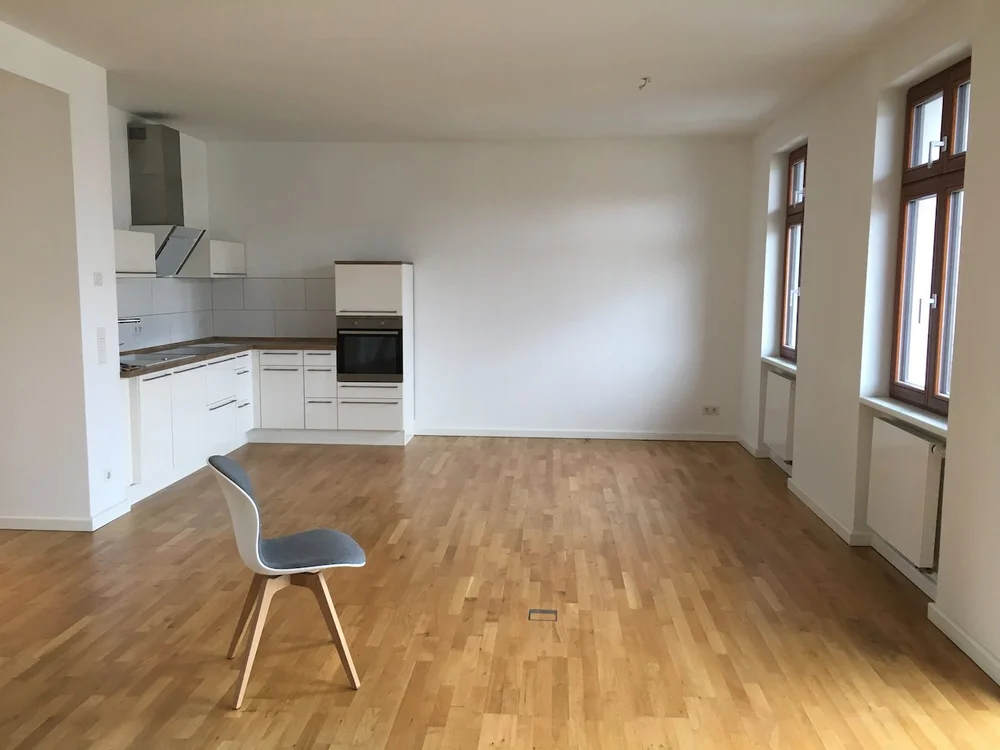
Photo: SmashingIt99, CC0, via Wikimedia Commons
Two parties, one unit
In a rental, the person who died did not own the space, but their belongings, memories and family are tied to it. The owner, meanwhile, has a unit that cannot be re-let and may have neighbors asking questions. We try to be straightforward with both.
For the landlord or manager
- A written scope you can approve
- Photos and an itemized invoice for your records or insurer
- Clear notes on anything a contractor will need to replace
- Discreet work that does not draw attention from other tenants
For the tenant's family
- A chance to name belongings you want recovered
- An explanation before anything personal is discarded
- Respect for your loss in how we speak and work
- No pressure to be present
Who usually arranges and pays
There is no single rule that fits every lease. In practice, the property owner or management company usually arranges cleanup, because the unit is theirs and needs to be made safe. How the cost is ultimately handled depends on the lease, any security deposit, the owner's property insurance and, in some cases, the tenant's estate or renters insurance.
We can work for either party, or for both if they agree on how it will be handled. What we need is one person with authority to approve the scope and allow access. If the owner and the family are still working out responsibility, we can do the assessment and provide the written scope so everyone has the same information.
For more on these questions, see a landlord's guide to biohazard cleanup.
The tenant's belongings and the estate
A tenant's possessions usually belong to their estate, not to the landlord. Before we start, we ask who has the right to decide what happens to them. That might be next of kin, an executor or an attorney.
- Items outside the affected area are normally left alone for the family to collect.
- Items inside the affected area that can be cleaned, such as jewelry, phones or documents, are set aside and kept for the family or their representative.
- Soft items that cannot be made safe are listed and photographed before removal, so the family and the owner have a record.
If the family has not yet been reached, tell us. We can limit work to the affected area and leave everything else untouched until they have been contacted.
Tennessee disclosure: general information
Owners and families often ask whether a suicide in a property must be disclosed to future tenants or buyers. Tennessee law addresses this in Tenn. Code Ann. § 66-5-207, which says no cause of action arises against an owner or a real estate licensee for failing to disclose that a property was the site of a homicide, felony or suicide.
This is general information, not legal advice. Your lease, other laws, how a question is asked and your particular circumstances can all matter. Please speak with an attorney about your situation. What we can do is make sure the unit is properly cleaned and documented, whatever you decide to tell future occupants.
How the work is carried out in a rental
Confirm release and access
We confirm police and the medical examiner have released the unit, and arrange keys or entry through the office.
Agree on belongings
We confirm with the authorized person which items should be recovered and who receives them.
Assess and scope
The affected area is assessed, including flooring, walls and anything shared with neighboring units such as walls or ceilings.
Remove, clean and disinfect
Affected materials are removed and disposed of in line with applicable Tennessee and federal requirements, and remaining surfaces are disinfected.
Document and hand back
The owner receives photos, the scope and an itemized invoice, along with a note of any repairs a contractor should handle before the unit is re-let.
Neighbors and other tenants
In apartment buildings and duplexes, neighbors are often aware something has happened. We keep our conversation with them to a minimum and do not share details. Materials are packaged inside the unit before being carried through shared corridors. If your building has particular rules for service access, elevators or parking, let us know when you call.
Property staff can also be affected, especially whoever entered the unit first. It is worth checking in with them; the 988 Lifeline is open to anyone who is struggling, not only people in crisis.
Scope, cost and where we work
Price depends on the size of the affected area, the flooring and wall materials, whether shared surfaces are involved, access arrangements in multi-unit buildings, and the volume of waste. You receive a written scope before any work begins; see how pricing works. Some landlord or renters insurance policies may cover part of the cost, depending entirely on the policy.
We travel from Nashville to rental properties across Middle Tennessee, including Nashville itself, Smyrna and La Vergne.
Questions people ask
Can the landlord throw away the tenant's belongings?
A tenant's belongings generally form part of their estate, and how they are handled can depend on your lease and Tennessee law. We recommend owners speak with an attorney before disposing of anything outside the affected area. We only remove items that cannot be made safe, and we document them first.
Does a security deposit cover cleanup?
That depends on the lease and on the law that applies to deposits. It is a question for an attorney. We provide the itemized invoice either party may need.
Can the family and the landlord split the work?
Yes, if they agree. Some families arrange to remove belongings from unaffected rooms themselves while we handle the affected area. We just need clear authority for what we are doing.
Do I have to tell the next tenant?
Tenn. Code Ann. § 66-5-207 says no cause of action arises for failing to disclose that a property was the site of a suicide. That is general information only; speak with an attorney about your circumstances.
Should the owner photograph the unit before cleanup?
Owners can note the condition of unaffected rooms if that is useful, but please do not enter the affected area to take pictures. We photograph it as part of our work and give you copies. Our guide on what property managers should document has more detail.
How soon can the unit be re-let?
That depends on whether any flooring or drywall needs replacing after our work. We will tell you at the assessment what a contractor will need to do, so you can plan.
Sources
Owner, manager or family member
Call (615) 513-5112. We will work out who needs to approve what, and keep everyone informed.

