Apartment Biohazard Cleanup
Yes, we clean apartment and condo units after blood, bodily fluids or a death, and we plan the work around the building as well as the unit. That means coordinating with management, choosing a route through shared hallways or elevators, and keeping neighbors from seeing more than they need to.
This page is for whoever is making the call: a resident, a family member clearing a loved one's apartment, a condo owner, or the on-site office. It covers what's different about multi-family buildings and how we handle each part.
If anyone is hurt or in danger, call 911 first. If you're struggling after what happened, you can call or text 988 at any time.
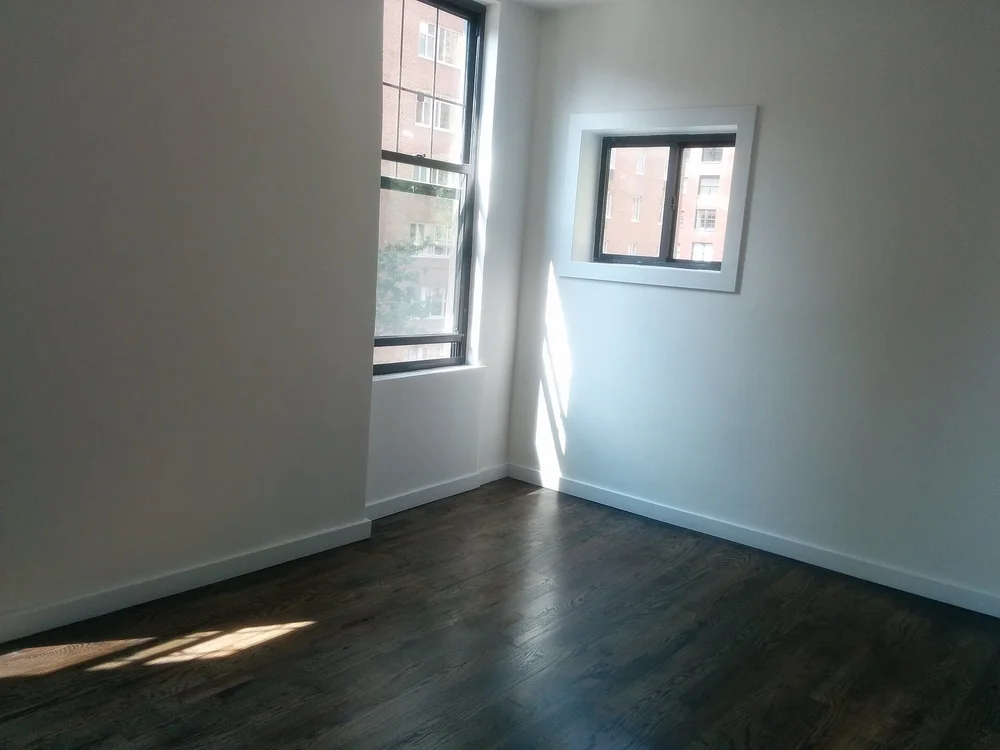
Photo: aismallard, CC BY-SA 3.0, via Wikimedia Commons
Why an apartment isn't just a smaller house
Inside the unit, the work looks much like it does in any home. Contaminated carpet, pad, mattresses and soft furniture come out, and hard surfaces are cleaned and disinfected. What changes is everything between the unit door and the parking lot.
- Shared paths. Sealed waste and equipment travel through corridors, stairwells, lobbies or elevators that other residents use every day.
- Close neighbors. People live on the other side of the wall, above and below. They notice activity, and some will have questions.
- Layers of permission. A resident may live there, but the building, the management company or a condo association controls access, parking and loading areas.
- Connected building systems. Fluids on an upper floor can sometimes reach the subfloor and, in rare cases, the ceiling of the unit below.
None of these is a reason to delay. They just mean a bit more planning before the first bag leaves the room.
Who needs to be involved
In most apartment jobs, three parties have a stake: the person or family responsible for the unit's contents, the management office or association that controls the building, and whoever is paying. Sometimes one person fills all three roles. Often it's split.
If you're a resident or family member, it helps to let the leasing office or association know a cleanup company will be coming. You don't need to share details you're not comfortable with. We can speak to management directly about logistics, such as access times, parking and which entrance to use, so you don't have to relay messages back and forth.
If you're the on-site office, you may be the first to call us before a family has been reached. That's fine. We can assess and plan, but we'll want to understand who has authority over the unit's belongings before anything personal is removed. Managers handling incidents across a whole portfolio will find more on the property manager page.
Planning the route through hallways and elevators
Before work starts, we agree a route with the building. It's usually the shortest path from the unit to a service door or loading area, avoiding the main lobby where possible.
Pick the exit
A rear stair, service entrance or garage door is preferable to the front lobby. Management usually knows which door to use.
Reserve the elevator if there is one
Many buildings can key an elevator for exclusive use or add protective pads. We'll ask whether that's possible for the hours we're on site.
Protect the path
Floors in corridors and the elevator cab are covered where material will pass, and nothing unsealed leaves the unit.
Stage the vehicle close by
We'll ask about a loading zone or a nearby parking spot, which shortens trips through common areas.
Gated communities, buzzer entries and key-fob doors are common in newer complexes around Nashville. Let us know the access method when you call. Our guide on how property access affects a cleanup explains why this shapes timing.
Neighbors, privacy and discretion
Neighbors in a shared building tend to see people come and go. We keep the visible part of the job low-key: plain packaging, doors closed while work is underway, and no discussion of the incident in hallways.
If a neighbor asks, our team will direct them to management rather than explain what happened. If an odor has reached the corridor or an adjoining unit, tell us. We can check the shared side of the wall, the hallway carpet near the door, and any gap under the unit's entry door as part of the assessment.
A note for families
Clearing a relative's apartment while neighbors watch can feel exposed. If you'd rather not be there for the removal, you can arrange access through the office and we'll take you through the finished unit afterward.
When the unit below may be affected
Most incidents stay within the unit. But when fluids have been in place for a while, especially on carpet over a wood-framed floor, they can move into the subfloor. In some buildings that sits directly above the ceiling of the unit below.
During assessment we look at the subfloor wherever the carpet and pad come up. If there's any sign material may have gone further, we'll tell management so the unit below can be checked. The details of how we find the edge of contamination in flooring are on the carpet and subfloor page. Concrete slab floors, common in mid-rise and podium buildings, behave differently and are often easier to clean once surface materials are removed.
Before we arrive at the building
- Keep the unit door closed, and avoid pointing a fan or HVAC vent into the affected room if that is easy to do.
- Ask management about the service entrance, elevator use and where we can park.
- Find out who holds keys or codes for the unit and any gates.
- Make sure police or the medical examiner have released the unit if they were involved.
- Hold on to damaged items until you've spoken with your insurer, if you have renter's or condo coverage.
You don't need to move anything or tidy up. We'd rather see the space as it is.
What affects the scope in an apartment
Price follows the written scope from the assessment. In apartments, a few factors come up more than they do in houses:
- The floor the unit is on and whether there's a usable elevator.
- Distance from the unit door to where the vehicle can park.
- Building rules that limit work to certain hours, which can spread work over more than one visit.
- Whether hallway carpet or an adjoining wall also needs attention.
- How much furniture and how many belongings are in the affected room.
Renter's and condo policies vary widely; some may cover some of this work and some won't. We supply photos, a written scope and an itemized invoice either way. See how pricing works.
Questions people ask
Do I need the landlord's permission to hire a cleanup company for my apartment?
It's wise to let management know, because they control shared areas and may need to approve contractors in the building. We're happy to coordinate with the office directly. Your lease may also have something to say on this, so check it if you're unsure.
Will the neighbors know what happened?
They may notice activity, but we don't discuss the incident with anyone other than you and the people you authorize. Waste leaves the unit sealed and in plain packaging.
Can you work if the building only allows contractors during set hours?
Yes. We'll plan around the building's rules, even if that means splitting the job across visits. Let us know the hours when you call.
The hallway outside the unit has an odor. Is that part of the job?
It can be. We check the corridor side of the door and nearby hallway surfaces during assessment and include anything affected in the written scope, with management's agreement.
I own a condo. Who handles the shared areas, me or the association?
That depends on your association's governing documents. Usually the owner handles the inside of the unit and the association handles common elements. We can speak with both and keep the scope clear about which areas are which.
Sources
Planning a cleanup in an apartment building
Call (615) 513-5112 and tell us the building and the floor. We'll help you sort out access with management and set up an assessment.