Crime Scene Blood Cleanup
Blood is the main reason a crime scene can't simply be wiped down. It soaks into soft materials, runs into gaps, and dries in places nobody would think to look. A floor that looks clean can still have contamination in the pad and subfloor beneath it.
This page focuses on blood specifically. It explains the difference between what's visible and what has moved out of sight, how we decide what's porous and has to go, what to know about fingerprint powder and other evidence residue left alongside it, and why we ask people not to start scrubbing.
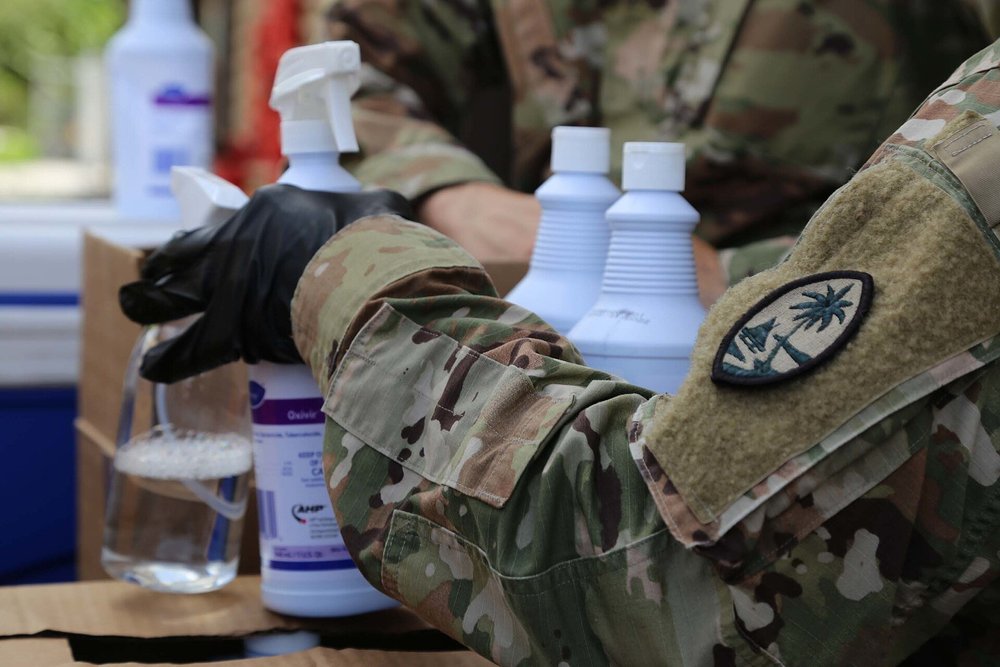
Photo: The National Guard, public domain, via Wikimedia Commons
Visible blood and blood that has moved out of sight
Liquids follow gravity and the path of least resistance. Blood behaves the same way. At a crime scene, it commonly travels into:
- Carpet pad and subfloor: the carpet surface may look manageable while the pad underneath is saturated across a wider area.
- Seams in hard flooring: laminate, vinyl plank and engineered wood have joints that let liquid reach the underlayment.
- Behind and under baseboards: blood can run along the floor to the wall and wick up behind trim.
- Inside furniture: cushion foam, mattress layers and the underside of upholstered pieces.
- Gaps around fixtures: under cabinets, appliances, door thresholds and floor vents.
Dried blood can also be hard to see on dark or patterned surfaces. Finding all of it is the most important part of the job.
How we find what isn't obvious
During the assessment, we inspect beyond the stained area itself. That can mean lifting a corner of carpet to check the pad and tack strip, pulling a section of baseboard, looking under furniture and behind appliances, and checking the joints of hard flooring. We use good lighting and a methodical pattern so nothing is skipped.
We'll explain what we find and show you where we can. The written scope then lists each area and what we plan to do with it. For more on this stage, see how professionals assess affected rooms and materials.
Porous or non-porous: what stays and what goes
The basic question for every surface is whether it can be fully cleaned and disinfected, or whether blood has gone into it.
Usually cleanable in place
- Ceramic and porcelain tile
- Sealed stone and sealed counters
- Glass, metal and hard plastics
- Sealed and painted hard surfaces with only surface contact
Usually removed when affected
- Carpet, pad and tack strip
- Mattresses and upholstered furniture
- Unsealed wood and particleboard
- Drywall where blood has soaked in
- Ceiling tiles and fabric wall panels
Some materials fall in between, like grout, unsealed concrete or hardwood with worn finish. Those are judged case by case. Our guide on what happens to contaminated porous materials explains the reasoning, and it's worth reading before you decide about a favorite chair.
Fingerprint powder and other evidence residue
Investigators often leave residue from processing the scene, most commonly fingerprint powder on door frames, light switches, counters and furniture. It's fine and spreads easily when people try to wipe it, especially on textured or porous surfaces.
Because this residue often sits alongside blood, we remove it as part of the same job, room by room, rather than leaving it for you. We'll include it in the scope when we see it so you aren't surprised by what's left once the blood is gone.
Why scrubbing or bleaching tends to backfire
It's understandable to want it gone. But common household approaches often make blood harder to remove.
- Scrubbing carpet pushes blood deeper into the pad and spreads it outward
- Steam cleaners and hot water can set stains and drive moisture into the subfloor
- Bleach can discolor surfaces without reaching what's underneath
- Mopping a hard floor can push blood into seams
Blood can also carry bloodborne pathogens such as hepatitis B, hepatitis C and HIV, according to the CDC. Keep people and pets away, close the door, and leave it as it is. The guide understanding blood cleanup and biological contamination covers this in more depth.
Who usually asks us about blood after a crime
Blood questions come from a few different directions. A family returning home after a break-in finds stains the police didn't mention. A landlord inspecting a unit after a tenant's arrest notices dark patches on the carpet. A store manager sees marks on the stockroom floor after a robbery. Sometimes the scene was cleaned by someone before us, and an odor or a stain coming back through the carpet weeks later shows the job wasn't finished.
In each case the question is the same: how far did it go, and what has to come out? You don't need to know the answer before you call. Tell us what you can see and where, and whether anyone has already tried cleaning it, and we'll plan the assessment from there. If you're unsure whether the property is still under investigation, check with the officer first.
How we remove blood from a crime scene
Inspect and scope
We trace visible and hidden blood and write up each affected area.
Contain the area
The work area is isolated so material isn't carried into clean rooms.
Remove affected porous materials
Carpet, pad, sections of drywall or subfloor and other items that absorbed blood are cut out and packaged.
Clean and disinfect what remains
Hard surfaces are cleaned first, then treated with EPA-registered disinfectants used according to label directions.
Dispose properly
Medical waste is a special waste under Tennessee rules and generally can't simply go to a landfill. Contaminated material is packaged and disposed of in line with applicable Tennessee and federal requirements.
Questions people ask
The carpet looks clean after I blotted it. Is it okay?
Maybe not. Blood that reached the pad or subfloor won't show on the surface. We'd recommend having it checked, especially if there's any lingering odor or the stain reappears as it dries.
Can blood be cleaned from hardwood floors?
If the finish is intact and blood stayed on the surface, often yes. If it got between boards or into worn, unsealed areas, those boards may need to come out. We'll check during the assessment.
Do you remove fingerprint powder too?
Yes. When we find evidence residue alongside blood, we clean it as part of the same job and list it in the scope.
Why do you need to remove baseboards?
Blood can run behind trim and soak into the bottom of drywall. Pulling a section of baseboard lets us see and remove it. Reinstalling trim afterward is usually a contractor's task.
Can I put contaminated carpet out with my trash?
Please don't. Medical waste is treated as a special waste in Tennessee and generally can't go to a landfill unless it's been treated. We package and dispose of it in line with state and federal requirements.
Sources
Find out how far it really goes
Call (615) 513-5112 at any hour. We'll inspect beneath the surface and give you a written scope before anything is removed.