Landlord Biohazard Cleanup Services
If something has happened in a home you rent out, the cleanup itself is the easy part to hand off. Call us, and we'll assess, remove contaminated materials and disinfect. The harder part is the list of decisions that land on you as the owner.
This page walks through those decisions in roughly the order landlords face them: who to call first, what your landlord policy might do, what to do about a tenant's belongings, what Tennessee law says about disclosing an incident to the next tenant, and when the unit can be rented again. It's general information, not legal advice.
If a tenant died by suicide and you or anyone involved is struggling, the 988 Suicide & Crisis Lifeline is available by call or text at 988.
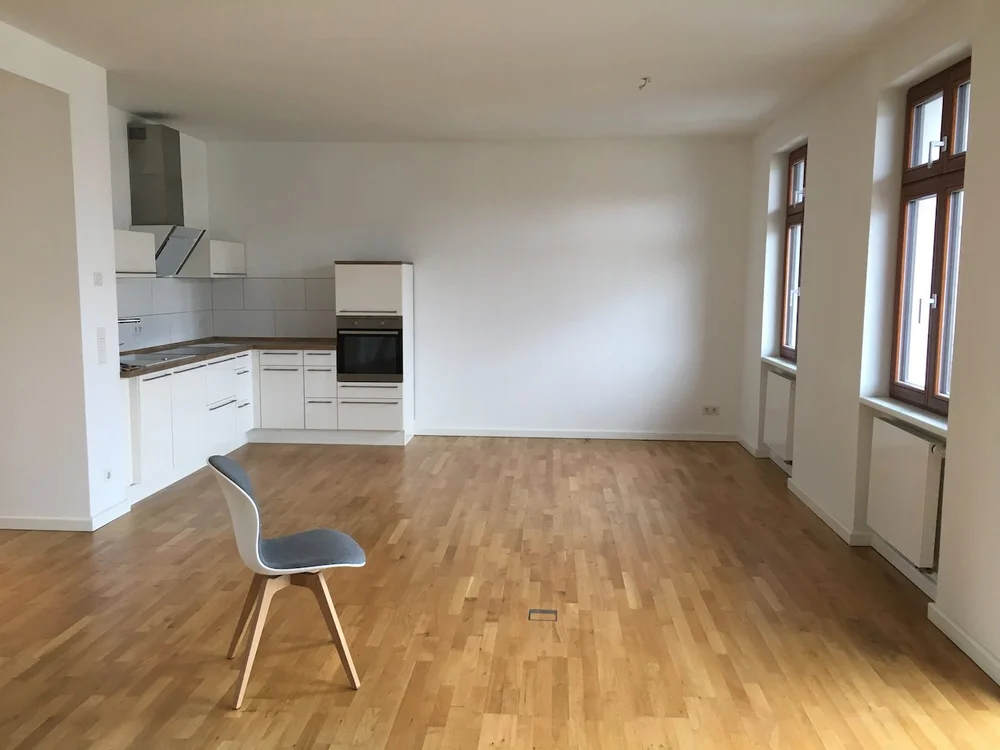
Photo: SmashingIt99, CC0, via Wikimedia Commons
Who to call, and in what order
When a landlord hears about an incident, it's usually secondhand: a call from police, a neighbor, a tenant's relative or a maintenance worker. A sensible order of calls looks like this.
Emergency services, if needed
If anyone may be hurt or in danger, 911 comes first. If police or the medical examiner are already involved, ask when the home will be released.
Your insurance agent or carrier
Report the incident early and ask what they need from you. Ask before anything is thrown away.
A cleanup company
Call us to talk through the situation and plan an assessment for when the home is released.
An attorney
Especially if a tenant has died, if belongings are left behind, or if the lease situation is unclear.
The tenant or their family
Communicate with care and keep a record. They may need access to belongings, and they may have questions about costs.
Steps two to four can happen in parallel. None of them requires you to enter the affected area yourself.
Your landlord policy and the tenant's
Landlord policies (often called dwelling or rental property policies) differ from homeowner's policies, and coverage for biohazard cleanup varies a great deal between them. Some may cover some of the work, some may exclude it, and some may cover building materials but not contents. Only your insurer can tell you what yours does.
A few points worth raising with your agent:
- Whether removal of contaminated building materials, such as carpet, pad, drywall and subfloor, is treated differently from cleaning.
- Whether lost rent during the cleanup and repair period is covered under your policy.
- Whether the tenant's renter's policy, if they had one, applies to their own belongings.
- What documentation the adjuster will want, and when.
We provide photos, a written scope and an itemized invoice that you can give your insurer. We don't bill insurers directly or promise any outcome. Our guide to insurance questions after a biohazard incident has a longer list.
What to do about a tenant's belongings
It's tempting to want everything cleared at once so the unit can be turned over. Resist that, especially after a death. A tenant's belongings generally aren't yours to dispose of, and handling them correctly depends on your lease, who has authority over the tenant's estate, and other circumstances. An attorney can tell you what applies.
In practice, landlords usually take one of these approaches while the legal side is sorted:
- Have us clean only the affected area and leave everything else in place.
- Have us photograph and list contaminated personal items so the family or estate can make the call.
- Wait for the family or an executor to remove belongings, then schedule the rest of the cleanup.
Whichever you choose, we'll work to the written scope and check with you before touching anything outside it.
Tennessee disclosure: what the statute says
Landlords often ask whether they have to tell the next tenant what happened. Tennessee has a statute that speaks to this. T.C.A. § 66-5-207 says that no cause of action arises against an owner or a real estate licensee for failing to disclose that a property was the site of a homicide, a felony or a suicide.
This is general information, not legal advice
The statute's wording and how it applies to your situation are questions for an attorney. The statute names specific kinds of events, and questions such as how to answer a prospective tenant who asks you directly are ones to raise with a lawyer before you decide what to say.
Whatever you decide about disclosure, the physical condition of the home is a separate matter. Proper cleanup means the next tenant moves into a unit where contaminated materials have been removed and surfaces disinfected, and you have records showing that was done. The guide for property owners after a crime scene covers this from an ownership angle.
Who pays when a tenant is involved
Landlords sometimes ask whether a tenant, their estate or their insurer should pay for cleanup. The answer depends on the lease, the circumstances, and any policies in play, so it's a question for your attorney and your insurer.
One program worth knowing: if the incident was a crime that took place in the victim's or an eligible relative's home, Tennessee's Criminal Injuries Compensation program may cover up to $3,000 for cleaning and removal of materials. The crime must have occurred in Tennessee and generally must have been reported to police within 15 days, and claims are filed within two years. It doesn't cover repairs and it pays only after other sources. It's a program for crime victims and their families, so it may be worth mentioning to a tenant's family.
When you can rent the unit again
The honest answer is: when the cleanup, any repairs and your regular make-ready are done. How long that takes depends on the scope. A small affected area on hard flooring is very different from several rooms where subfloor had to come out.
What you can control is not losing time to the wrong order. Don't send painters or a carpet crew in before biohazard removal is complete. Get the contractor lined up while we work, using our written scope as their starting point. And keep showings paused until the affected area is finished.
For a step-by-step view of a rental turnover after an incident, see our rental property cleanup page.
How we work with landlords
- One conversation by phone to understand the situation, at any hour.
- An in-person assessment and a written scope before work begins.
- Access by lockbox or code if you're not local, with photos sent afterward.
- Clear separation between what we remove, what we clean and what needs a contractor.
- A documentation packet for your insurer and your records.
If you own several properties and use a management company, they may prefer to handle this directly; our property manager page is written for them. For the bigger picture, read a landlord's guide to biohazard cleanup, or return to residential biohazard cleanup. We serve rental owners across our Middle Tennessee service area, from Davidson County to Montgomery County.
Questions people ask
Should I call my insurer or a cleanup company first?
Both, close together. Let your insurer know early and ask what they need. Calling us at the same time means the assessment can be planned while you wait for their answer.
Do I have to tell new tenants that a death happened in the unit?
Tennessee's T.C.A. § 66-5-207 says no cause of action arises against an owner for failing to disclose that a property was the site of a homicide, felony or suicide. That's general information only. Ask an attorney how it applies to you, particularly if a prospective tenant asks directly.
Can I throw out the tenant's things so I can re-rent faster?
Speak to an attorney first. Belongings usually aren't the landlord's to dispose of, and the right process depends on your lease and the situation. We can clean the affected area while that's being worked out.
I live out of state. Can you handle a rental without me there?
Yes. We can arrange access by lockbox or through a local contact, talk you through the assessment by phone, and send photos and the written scope.
Will the cleanup make the unit ready to rent?
It makes the affected area clean, disinfected and deodorized. If materials such as carpet or drywall were removed, a contractor will need to replace them. We'll tell you up front if that applies.
Sources
Get the cleanup off your list
Call (615) 513-5112 and we'll walk you through the next steps while you sort out insurance and legal questions. We can work from a lockbox if you're not nearby.

