Blood Cleanup in Rental Properties
When someone is injured in a rental home or apartment, two people have a stake in the cleanup: the tenant who lives there and the owner who is responsible for the unit. We work with either, or both, to clean and disinfect the affected area and remove materials that can't be saved.
This page covers who usually arranges the work, how to document the unit's condition, what to keep in mind about deposits and turnover, and how we work around other residents.
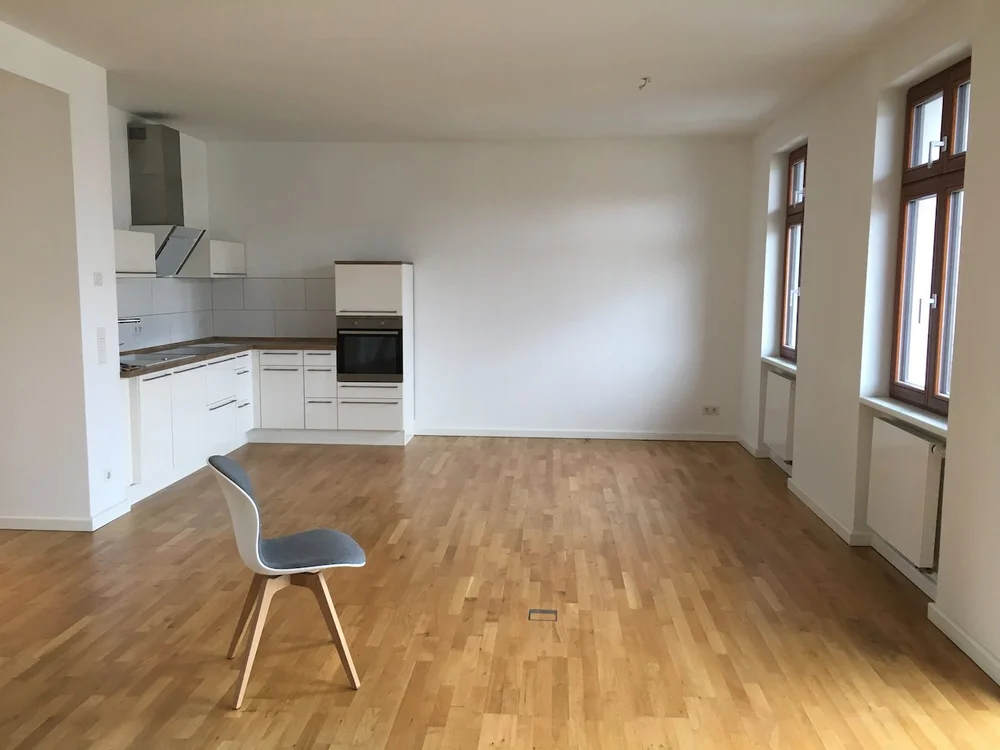
Photo: SmashingIt99, CC0, via Wikimedia Commons
Typical rental situations
Blood in a rental usually comes from the same causes as anywhere else: falls, accidents and medical emergencies. What changes is the number of people involved. Some situations we see:
- A tenant is injured and hospitalized. Family members need the unit cleaned before the tenant returns, and the landlord needs to know what's been done.
- A tenant moves out after an incident. The landlord finds staining during the move-out inspection.
- A guest or visitor is hurt in the unit. The tenant isn't sure whether to call the landlord, an insurer or a cleanup company first.
- Blood has reached a shared area. A hallway, stairwell or elevator in an apartment building is affected and other residents use it every day.
If the incident involved a death or a crime, our pages for crime scene cleanup for property managers and suicide scene cleanup in rentals cover the extra considerations.
Who arranges the cleanup
There's no single answer. It depends on the lease, who caused or suffered the injury, and what each party's insurance says. In practice:
- Landlords and property managers most often arrange it, because they control access to the unit and the materials, like carpet, belong to the property.
- Tenants sometimes call first, especially when they're still living there and want it done quickly. We'll usually ask that the landlord be told before we remove anything that belongs to the property.
- Family members call on behalf of a tenant who is in hospital. They'll need permission from the tenant or the landlord to let us in.
We're happy to send the written scope to both parties, so everyone sees the same information.
Documenting the unit's condition
Good records help with insurance claims and deposit questions, and they protect everyone involved. Before anything is cleaned or removed, it helps to have:
- Dated photos of each affected area, from a distance and close up.
- A note of what happened, when, and who reported it.
- A copy of the move-in condition report, if one exists, for comparison.
- The names of anyone who entered the unit after the incident, such as paramedics or maintenance staff.
On our side, we provide photos before and after, a written scope listing what was cleaned or removed and why, and an itemized invoice. Our guide on what property managers should document goes further, and documentation in biohazard remediation explains what our records contain.
Security deposits: some general points
General information, not legal advice
Questions about who pays and whether a deposit can be used depend on the lease, the facts and Tennessee law. For a specific dispute, talk to an attorney or a local tenant or landlord resource.
With that said, a few things are worth knowing:
- An injury is not the same as damage caused by carelessness. How a lease treats an accidental injury may differ from how it treats neglect.
- Clear records of the unit's condition before and after cleanup make conversations about deposits far easier.
- An itemized invoice that separates biohazard cleanup from any later repairs helps everyone see what each charge is for.
- Renter's and landlord's insurance policies may each cover different parts of the work, or none of it. Only the insurers can say.
What to do before we arrive
If you're the landlord, avoid sending maintenance staff in to tidy up. Lock the unit or secure the affected area, and let the tenant or their family know a cleanup company is coming. If you're the tenant, keep pets and visitors out of the affected room and leave stained items where they are. Either way, take photos and speak to your insurer before anything is thrown out. Our guide on preparing a property for remediation has a short checklist that works for both sides.
How a rental cleanup runs
Agree access and contacts
We confirm who authorizes the work, who lets us in and who receives the scope and invoice.
Assess and scope
We inspect the unit and any shared areas, then send a written scope for approval.
Clean, remove and disinfect
Affected carpet, pad or fixtures are removed; hard surfaces are cleaned and disinfected with EPA-registered products used as their labels direct.
Hand back for turnover
We document the finished unit and tell you which repairs, such as new carpet or paint, a contractor will need to complete before it can be re-let.
Working around neighbors and shared spaces
In duplexes and apartment buildings, other people are close by. We plan the route for bringing equipment in and taking waste out to keep shared areas clear and limit disruption. If a hallway or stairwell is affected, we'll recommend closing it briefly while we work and can suggest a simple notice for residents that doesn't share private details. The guide for apartment managers after a traumatic incident covers communication with residents in more detail.
Turnover, scope and where we work
For owners, the goal is a unit that's safe and ready for the next step in turnover. Scope depends on the rooms and surfaces affected, whether flooring must come out, access within the building, and waste volume. We provide a written scope and don't publish prices. Landlords with portfolios may also want to read rental property biohazard cleanup and a landlord's guide to biohazard cleanup.
We travel from our Nashville base to rentals across Middle Tennessee, including Clarksville and Murfreesboro. Scheduling is confirmed by phone. See all service areas, or start from our blood cleanup overview.
Questions people ask
I'm a tenant. Can I hire you without the landlord?
You can call us and we can talk it through. Before we remove anything that belongs to the property, such as carpet, we'll normally ask that the landlord know about it. Many leases also require you to report damage, so check yours.
Can the unit be rented again right after cleanup?
Once we've finished, the area is cleaned and disinfected. If we removed flooring or drywall, those will need replacing by a contractor before the unit is ready for a new tenant.
Do I have to tell future tenants about the incident?
That's a legal question for an attorney. For general background, Tennessee law (T.C.A. § 66-5-207) says no cause of action arises against an owner or real estate licensee for not disclosing that a property was the site of a homicide, felony or suicide. Most injury-related cleanups don't involve any of those.
Who pays if a guest was injured?
That depends on the lease and on the insurance policies involved. We can't advise on liability, but we can give each party the same documentation so they can sort it out with their insurers.
Can you work while the tenant is still living there?
Usually, yes. We'll agree a time that works for the tenant and keep a clear path through the unit while we work.
Sources
Get the unit back on track
Call (615) 513-5112, whether you're the owner, the manager or the tenant. We'll explain the next steps and send the written scope to everyone who needs it.