Unattended Death Cleanup in Apartments
An unattended death in an apartment affects more than one household. Odor can reach hallways and neighboring units, management has to keep the building running, and the family of the resident may be dealing with a lease and belongings at the same time. Cleanup has to work for all of them.
This page is for property managers, condo and HOA boards, and families of residents. It covers the issues that come with shared buildings: walls and floors shared with neighbors, access through common areas, communication, and preparing the unit for its next resident.
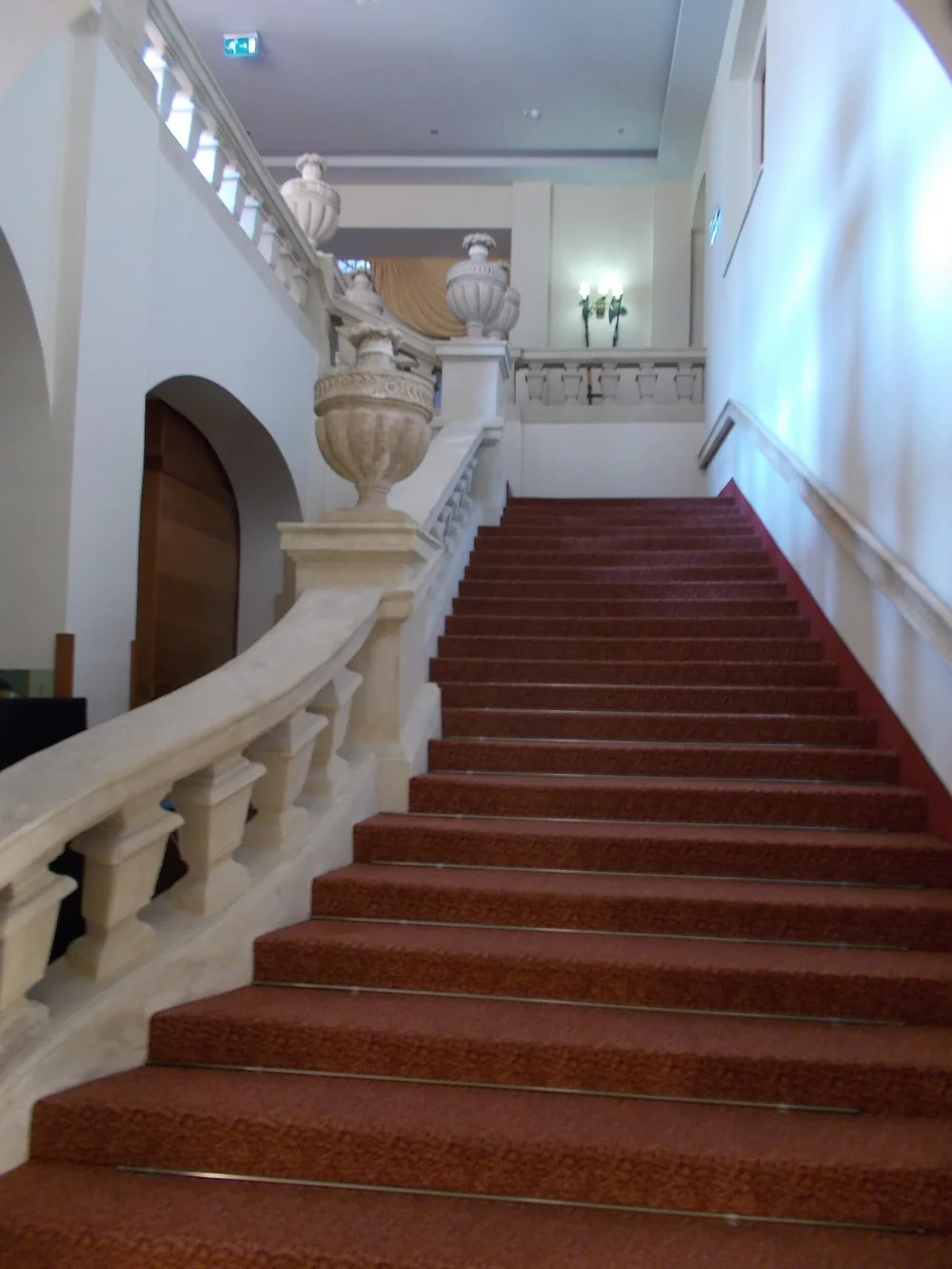
Photo: Globetrotter19, CC BY-SA 3.0, via Wikimedia Commons
Neighbors and odor in common areas
Often it is a neighbor who first notices something is wrong, and neighbors are usually the first to ask when it will be resolved. Odor in a hallway or an adjoining unit comes from the source inside the affected apartment. Air fresheners in the corridor will not fix it. Once the source is removed and the unit is cleaned, odor in common areas usually settles.
We check the units directly above, below and beside the affected apartment when management can give us access, and look at the hallway near the door. If material reached a neighboring unit's ceiling, that becomes part of the scope. For the odor side in more depth, see odor-related biohazard remediation.
For managers: what to tell residents
A short, factual notice helps. You might say that a unit is being professionally cleaned, that the work is being handled by a specialist, and who to contact with concerns. There is no need to share details about the resident, and many families appreciate that privacy.
Moving through halls, stairs and elevators
We plan the route out of the building before starting. That includes protecting elevator walls and floors, timing removals to avoid busy periods where possible, and keeping bagged material sealed while it is carried through common spaces. If your building has a loading area, service elevator or rules about move times, tell us and we will work within them. The guide How Property Access Affects a Cleanup Project covers what to have ready.
Who approves the work
Responsibility depends on the lease, the property type and sometimes the insurance policy. In a rental, the owner or management company typically controls the unit and approves cleanup. The resident's family generally has a say in personal belongings. In a condo, the unit owner or estate is usually responsible for the inside of the unit, while the association handles common areas.
We need written approval of the scope from whoever has authority over the space. If that is not clear yet, we can still talk through the situation and the likely scope while you work it out. Managers may find An Apartment Manager's Guide to Traumatic Incident Cleanup useful, along with What Property Managers Should Document Before Remediation.
How cleanup proceeds in a unit
Confirm release and authority
We confirm that police and the medical examiner have released the unit and who will approve the scope.
Assess the unit and its neighbors
We inspect the affected room, the rest of the unit, adjoining walls and, with access, units above and below.
Plan the route
Hallway and elevator protection, timing and any building rules are agreed with management.
Remove and clean
Contaminated furnishings and flooring are bagged inside the unit, removed through the planned route, and surfaces are cleaned and treated with EPA-registered disinfectants according to label directions.
Deodorize and check common areas
Once the source is out, the unit is deodorized and the hallway near the door is checked again.
Hand over documentation
Management and the family receive photos, the final scope and an itemized invoice.
What managers and families can do first
Once police and the medical examiner have released the unit, keep it locked and limit entry to people who need to be there. Close interior doors, and if the unit has its own thermostat, turning the system fan off helps keep odor from cycling through vents. Please do not let maintenance staff pull carpet, move the bed or wipe down the area; it spreads material and puts staff at risk without training or protective equipment. Photographs from the doorway are helpful for your records and any insurance claim. If the resident had pets, arrange for them to be collected, and make a note of who holds keys and who has entered the unit since it was released.
Belongings and getting the unit ready to rent
The resident's belongings outside the affected area usually belong to their estate, not the landlord. We leave those for the family unless asked otherwise. Items in the affected room that absorbed biological material are removed and disposed of in line with applicable Tennessee and federal requirements.
For turnover, our job ends when the unit is clean, disinfected and free of the source of odor. Replacing flooring, patching drywall and painting fall to your maintenance team or a contractor, and we will tell you up front which of those the unit will need. Landlords handling a rented house rather than an apartment should see landlord biohazard cleanup services.
Scope, cost and service area
Cost depends on the size of the affected area, whether a neighboring unit is involved, floor level and elevator access, building rules and disposal volume. We do not publish prices; see how pricing works. Some landlord and condo policies may cover some of this work, depending on the policy. Our wider unattended death cleanup page covers the general process. We travel from Nashville to apartment communities across the region, including Nashville, Smyrna and Clarksville, and the rest of our service area.
Questions people ask
Will the unit below need cleaning too?
Only if material reached it, which can happen when the affected room is on an upper floor. We ask to inspect the unit below during the assessment so it is included in the scope if needed.
Can neighbors stay in their apartments during the work?
In nearly all cases, yes. Work is contained within the affected unit, and common-area traffic is planned around residents. If a neighboring unit is part of the scope, we coordinate access with management and that resident.
Who pays, the landlord or the family?
It depends on the lease, the property and any insurance. In many rentals the owner arranges and pays for cleanup of the unit. This is worth confirming with the lease and, if needed, an attorney. We can work with whoever has authority to approve the scope.
How should we handle the resident's belongings?
Belongings generally pass to the resident's estate. We leave unaffected items in place for the family and only remove what is contaminated. Management and the family can agree a time for the family to collect the rest.
Can the unit be rented again?
Yes, once cleanup and any repairs are done. Tennessee law (T.C.A. § 66-5-207) says no cause of action arises against an owner or real estate licensee for not disclosing certain deaths at a property. This is general information, not legal advice.
Sources
Managing a unit after a death?
Call (615) 513-5112 to talk through access, neighbors and timing. We will help you plan the work around the building.

