Bodily-Fluid Biohazard Cleanup
Not every biohazard involves blood. Serious illness, incontinence, a long hospital stay or the final weeks of someone's life can leave vomit, urine or feces in a home, sometimes soaked into a mattress, a recliner or a carpet. We clean and disinfect those areas and remove materials that can't be recovered.
This page covers which fluids we handle, how they differ from a blood cleanup, what the work looks like, and when household cleaning is enough on its own.
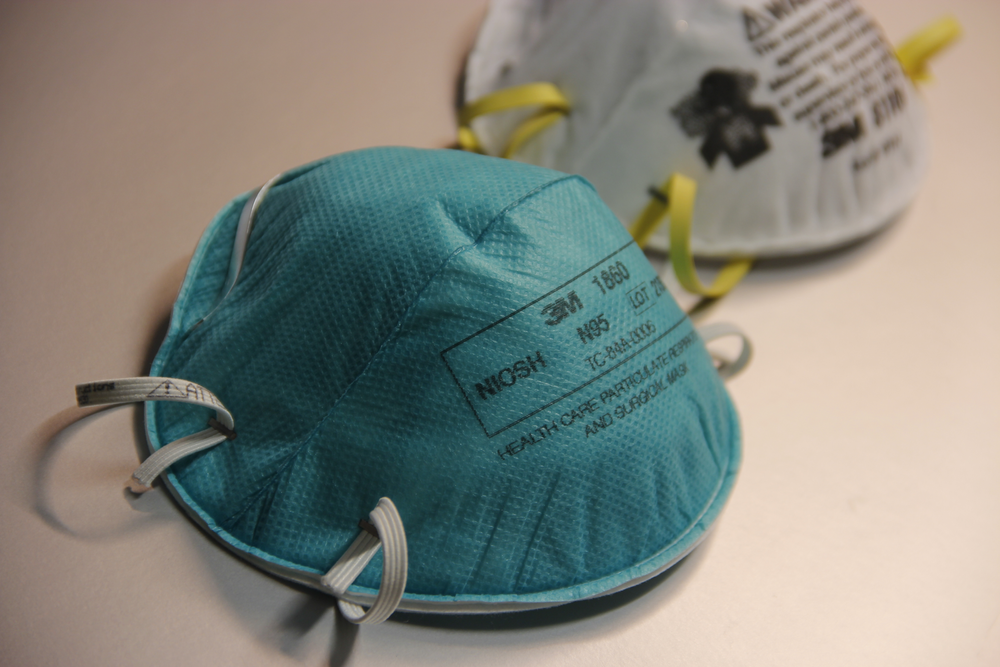
Photo: Debora Cartagena, CDC, public domain, via Wikimedia Commons
Which fluids this covers
We handle the bodily fluids people most often need help with at home:
- Vomit, including during prolonged illness or after a medical emergency.
- Urine, especially where it has built up in carpet, mattresses or subfloor over time.
- Feces, often linked to illness, incontinence or a person who was unable to get help.
- Mixed fluids, where blood is present along with other material.
The federal Bloodborne Pathogens Standard, which applies to employers, uses the term "other potentially infectious materials" (OPIM). Its definition includes a set of body fluids and also any body fluid visibly contaminated with blood, and all body fluids in situations where it's hard or impossible to tell them apart. That's a workplace rule, but it's a useful reminder: when fluids mix, the safe assumption is to treat them all with care.
This page doesn't cover sewage backups, overflowing toilets or septic problems. Those are usually handled by plumbers and water-damage restoration companies. See biological contamination cleanup for where we draw that line.
Situations that lead to these calls
The people who call us about bodily fluids are often caregivers, adult children or landlords. Some situations we see regularly:
- A relative has been ill at home for weeks, and the bedroom, bathroom or favorite chair has absorbed more than anyone could keep up with.
- An older person living alone was unable to manage, and family members find the home in poor condition after a hospital admission.
- A sudden severe illness in a guest room, a vehicle or a rental unit.
- Home hospice care has ended and the family wants the room cleaned before anyone else uses it.
None of this reflects badly on anyone. Illness is hard to manage at home, and caregivers are usually exhausted by the time they call.
How fluids other than blood change the job
What's similar to blood cleanup
- Porous materials often have to be removed once soaked
- Hard surfaces are cleaned, then disinfected
- Contaminated waste is packaged and disposed of properly
- Protective equipment for everyone doing the work
What's different
- Urine can travel further into subfloor and leave persistent odor
- Odor is often the main complaint, not visible staining
- Contamination has often built up over time rather than in one event
- Some fluids carry different germs, so cleaner and disinfectant choice matters
Odor is the factor families mention most. Covering it with fragrance doesn't work for long. Removing the source and treating what is underneath does. Our guide on biohazard remediation and odor explains why.
What the work involves
We start with an assessment of each affected room: which materials have absorbed fluid, how deep it has gone, and whether odor points to contamination we can't yet see, such as under a carpet or behind a toilet base.
Protect and ventilate
We set up a work area and protect clean rooms and walkways.
Remove saturated items
Mattresses, upholstered furniture, carpet and pad that have absorbed fluids are removed and sealed for disposal, with your agreement on each item.
Clean the surfaces underneath
Subfloor, baseboards and hard surfaces are cleaned to remove residue before anything else.
Disinfect
We use EPA-registered disinfectants according to label directions, chosen to suit the surface.
Address odor
Once the source is gone, we deodorize the area and check whether any smell remains.
Some subfloors that have absorbed urine over a long time may need sealing or replacement. Replacement is generally a contractor's job, and we'll tell you if we think it will be needed.
When household cleaning is enough
A single episode of illness on a tile floor or in a washable bathroom is normally a household job. Public-health guidance covers it: gloves, paper towels, a disinfectant used as the label says, and good handwashing afterward.
It makes sense to call a professional when fluids have soaked into soft furnishings or flooring, when there's been a buildup over time, when odor remains after cleaning, or when the person who'd have to do it is a caregiver with nothing left to give. See the limits of household cleaning for a fuller discussion.
While you wait for us
Keep children, pets and anyone with a weakened immune system out of the affected room. Close the door. If a fan or air return is drawing air from that room, turn it off if that's easily done. Bag soiled bedding and clothing loosely, set them in one place, and let us take care of them. If you want to make an insurance claim, speak to your insurer before throwing anything out.
Homes, rentals, businesses and where we work
In a family home, the focus is usually a bedroom and bathroom. Landlords call after a tenant illness or a unit that has been left in poor condition; landlord biohazard cleanup covers that side. Businesses such as gyms and hotels call after an incident in a public area; see hotel biohazard cleanup. If blood is the main concern, our blood cleanup overview is a better starting point.
Scope depends on the number of rooms, materials that need removal, how long the contamination has been there, access and waste volume. We'll give you a written scope; we don't publish prices. We travel out from Nashville across Middle Tennessee. See service areas or Wilson County and Maury County.
Questions people ask
Can a mattress be cleaned after it has absorbed urine?
Usually not to a reliable standard. Fluid moves into the inner layers where cleaning can't reach. In most cases we recommend removing it, but the decision is yours.
The smell is the main problem. Can you fix that?
In most cases odor comes from a source we can find and remove, such as carpet pad or subfloor. Once that's done and the area is treated, odor typically drops significantly. Persistent odor sometimes points to contamination in a place we need to open up.
Do you clean after a stomach virus?
We can, particularly if it affected carpet, upholstery or several rooms, or if it happened in a business. For a single episode on hard flooring, household cleaning following public-health guidance is usually enough.
Do you handle sewage backups?
No. Sewage and plumbing failures are usually a job for a plumber and a water-damage restoration company. We handle bodily fluids from people, not wastewater from pipes.
Will insurance pay for bodily-fluid cleanup?
It depends entirely on your policy and your insurer, and many policies treat gradual buildup differently from a sudden event. Ask your insurer before work starts. We can provide photos, a written scope and an itemized invoice for them to review.
My mother is still living in the home. Can you work around her?
Yes. We plan the work so she has a clean room to stay in and a clear path through the house, and we'll keep the visit as calm and quiet as possible.
Sources
Caregiving is hard enough
Call (615) 513-5112 and tell us which rooms are affected. We'll explain what the cleanup involves and let you get back to the person who needs you.

