Crime Scene Cleanup for Property Managers
When a crime happens in one of your units or common areas, you become the coordinator: between police, the owner, the tenant or their family, neighbors, insurers and whoever does the cleanup. Our job is to make the cleanup part of that list simple and well documented.
This page walks through the workflow we see work well for property managers and leasing offices in Middle Tennessee, from confirming the police release to getting the unit back to turnover-ready, plus how common-area incidents differ.
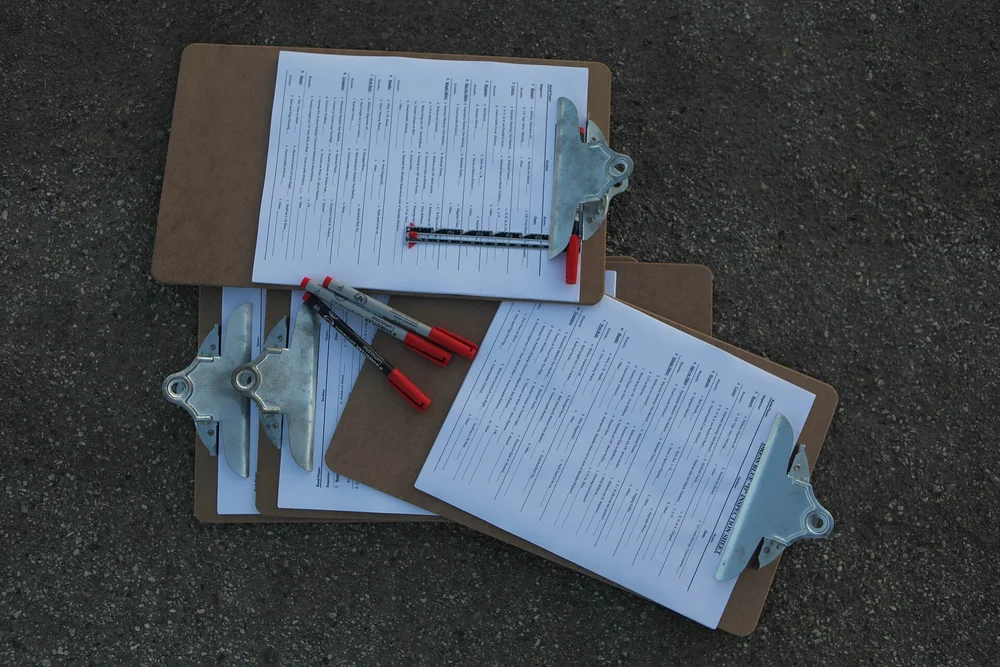
Photo: U.S. Marine Corps, public domain, via Wikimedia Commons
A workflow from release to turnover
Confirm the release
Get confirmation from the investigating officer or detective that the unit or area is released, and whether any parts are still held. Note the report number.
Secure and restrict access
Change or control keys and fobs as needed, and keep maintenance staff and other tenants out of the affected area.
Notify the owner
Tell the owner or asset manager what happened and that a cleanup scope is coming.
Call us for an assessment
We walk the unit and any affected common areas and give you a written scope you can forward for approval.
Approve and schedule
Once approved, we agree a work window and access arrangements with you.
Cleanup and documentation
We complete the work and send photos, the scope and an itemized invoice.
Hand off to make-ready
Your maintenance team or contractors take over for drywall, flooring and paint.
The guide on what property managers should document before remediation pairs well with this list.
Notifying owners and getting approval
Owners want to know three things: what happened, what it will cost, and when the unit will be back. We can't answer the first, but we can make the other two easier. The written scope lists each area and task in plain language, so it can be forwarded without rewriting. If your management agreement has an approval threshold, tell us and we'll keep the owner's contact on the documents.
Some property insurance policies may cover part of this work; whether the owner's policy does depends on the policy and the insurer. We provide what an adjuster typically asks for: photos before and after, the scope, and an itemized invoice.
Communicating with tenants and neighbors
How much you tell other residents is your decision and may depend on your company's policy or legal advice. A few things we can help with:
- We work discreetly and don't discuss the incident with residents. Questions are referred back to you.
- We can schedule around high-traffic times in shared hallways or at the building entrance.
- If the tenant involved survived or their family still holds the lease, we'll coordinate with them about personal belongings, with your consent.
If the tenant's household needs support, the National Domestic Violence Hotline (1-800-799-7233) is a resource for situations involving a partner or family member.
Unit access, keys and after-hours entry
Access is one of the most common sources of delay. Before we arrive, it helps to have:
- A key, lockbox code or fob that works for the unit, the building and any gates
- Parking instructions for a work vehicle, and which entrance to use
- Elevator or freight elevator access, and any reservation rules
- The name and number of whoever can make decisions on site if you're off property
Our phone line is answered day and night, and we can plan after-hours entry if you give us access instructions. Scheduling is confirmed by phone; distance from Nashville can affect timing. How property access affects a cleanup project has more detail.
Incidents in hallways, stairwells, parking lots and amenities
Common-area incidents have their own considerations because every resident uses those spaces.
| Area | What to plan for |
|---|---|
| Interior hallways | Corridor carpet, residents needing to pass, shared HVAC returns |
| Stairwells | Fire egress must stay usable; railings and treads |
| Elevators | Flooring and wall panels, taking the car out of service briefly |
| Parking lots and breezeways | Concrete or asphalt, weather, vehicle traffic |
| Pool, gym, laundry | Closing the amenity until work is done |
We'll work with you on rerouting residents and temporary signage. If contamination runs from a unit into a hallway, the job becomes a multi-room cleanup and we scope it that way.
Turnover timeline and handing off to make-ready
Our part ends when biological material and affected materials are removed and the area is cleaned, disinfected and deodorized. Many crime scene units then need drywall patching, new flooring and paint before they can be rented. That's work for your maintenance team or a contractor, not us. We'll tell you early what will be left open so you can line those trades up.
On vacancy and disclosure, Tennessee Code § 66-5-207 provides that no cause of action arises against an owner or real estate licensee for not disclosing that a property was the site of a homicide, felony or suicide. Treat that as general information, not legal advice, and check with the owner's attorney about leasing practices.
What your staff can do while waiting for the assessment
Leasing and maintenance staff are usually the first people on site after police leave. A short set of instructions keeps them safe and protects the owner's position:
- Lock the unit or close off the area and note who holds keys.
- Post a simple notice that the area is temporarily closed, without details.
- Do not enter to clean, remove carpet or bag belongings.
- Photograph the outside of the unit or area for your records if it's safe to do so.
- Log the date, time and names of everyone who entered since the release.
That log is useful later for insurers and owners, and it tells us which routes to check for tracked contamination.
What drives cost, and related resources
Pricing comes from the written scope. The biggest drivers are how many rooms and common areas are affected, the flooring and furnishings involved, access constraints like stairs or elevator reservations, and the volume of contaminated waste. See how pricing works.
For incidents that aren't crimes, such as an unattended death in a unit, see unattended death cleanup in apartments, and for general contamination, property manager biohazard cleanup. The apartment manager's guide to traumatic incidents is a useful staff reference. Business owners should see commercial crime scene cleanup, and the full list is on the crime scene cleanup page. We cover communities across our service area, including Murfreesboro and Smyrna.
Questions people ask
Can we have our maintenance staff do the cleanup to save money?
We'd advise against it. Blood can carry bloodborne pathogens, and employers whose workers have occupational exposure fall under OSHA's Bloodborne Pathogens Standard, which requires an exposure control plan, protective equipment and training. Most maintenance teams aren't set up for that.
Who pays: the owner, the tenant or insurance?
That depends on the lease, the circumstances and the policies involved. Commonly the owner pays for the structure, sometimes with insurance help, and the tenant is responsible for their own belongings. We invoice whoever authorizes the work.
Can you send the scope directly to the owner?
Yes. Give us the owner's or asset manager's contact and we'll copy them on the scope, photos and invoice.
The tenant's family wants their belongings. How is that handled?
With your permission, we coordinate with the family. Unaffected items stay put for them to collect; affected items that can't be cleaned are photographed before disposal.
Do you handle multiple units in a portfolio?
Yes. We can set up a single point of contact on your side so calls for any property go to the right person. Each incident still gets its own assessment and scope.
Sources
Get a scope you can send to the owner
Call (615) 513-5112 at any hour. Tell us the property, the access arrangements and who approves the work.

