Biohazard Cleanup for Rental and Investment Properties
When a death, crime or serious injury happens in a rental property, the owner's job is to get the unit safely cleaned, documented for insurance, repaired and back on the market, while treating tenants and families with care. The order matters: release, insurer notice, professional biohazard cleanup, then repairs, then re-letting.
This guide looks at the situation from an investor's side of the table. It covers the costs that build up while a unit sits empty, how to approach your insurer, how to sequence cleanup and contractors, what Tennessee law says about disclosure, and how to handle tenants and estates fairly.
If the incident involved a death by suicide and you, a tenant or anyone else involved is struggling, the 988 Suicide & Crisis Lifeline is available by call or text at 988.
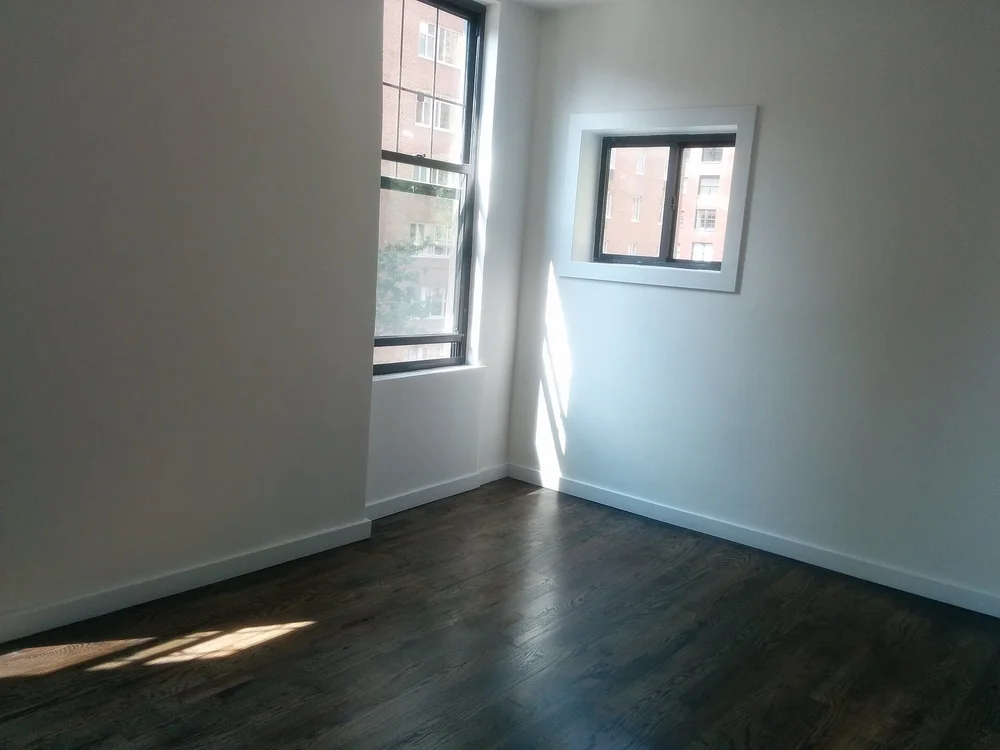
Photo: aismallard, CC BY-SA 3.0, via Wikimedia Commons
How an owner's position differs from a family's
A family facing biohazard cleanup is usually dealing with grief or shock in their own home. An owner of a rental or investment property is often one step removed: the incident involved a tenant, a tenant's guest, or a vacant unit, and the owner learns about it by phone from police, a property manager or a neighbor.
That distance brings different responsibilities. The owner usually controls the building, carries the property insurance, decides who works on the unit and bears the lost rent. At the same time, there may be a tenant's family who needs to recover belongings, other residents who are upset, and a lease that has not yet ended.
Most of the decisions in this guide come down to doing things in the right order and keeping good records. Owners who manage several units will find more operational detail in our landlord's guide to biohazard cleanup; this page focuses on the financial and planning side.
The first steps after you are notified
Confirm the facts and the release
Find out which unit is affected, whether police or the medical examiner are still involved, and whether the unit has been released. Cleanup cannot start before release.
Secure the unit
Once responders leave, make sure the unit is locked. Consider changing the lock or the code if keys may be unaccounted for, while keeping a way for the tenant or their family to arrange access.
Notify your insurer
Tell your property insurer before anything is removed. Ask what they need to see and in what form.
Arrange a professional assessment
Call a biohazard cleanup company to inspect the unit and provide a written scope. Nashville 24/7 Biohazard Disposals takes calls at (615) 513-5112 at any hour.
Talk to the tenant or their representative
Agree how belongings will be handled and who has access. More on this below.
Avoid letting a turnover crew, handyman or carpet company into the unit before the biohazard work is done. They are not equipped for it, and the work may need to be redone.
Counting the real cost of a vacant unit
For an investor, the cleanup invoice is only one line in the cost of an incident. The bigger number is often the time the unit cannot be rented. Thinking it through early helps you make sensible decisions instead of rushed ones.
| Cost | What drives it | What you can influence |
|---|---|---|
| Lost rent | Days from incident to new lease | Prompt insurer notice, early assessment, lining up contractors in parallel |
| Biohazard cleanup | Extent, materials, rooms, access, waste volume | Keeping the unit closed and untouched until assessment |
| Repairs | What had to be removed: flooring, drywall, fixtures | Getting contractor estimates as soon as the scope is known |
| Holding costs | Mortgage, taxes, utilities, HOA dues during vacancy | Overall timeline |
| Re-leasing | Marketing, showings, any concession | Unit condition at listing |
Vacant units and late discovery
When a unit was vacant or a tenant lived alone, an incident may not be found for some time. The longer material sits, the further it moves into subfloor and wall cavities, and the more likely it is that odor has reached neighboring spaces. That usually widens the scope. Regular inspections of vacant units, and a clear process for tenants and neighbors to report concerns, reduce that risk.
The biggest lever is sequencing. The assessment tells you what will be removed. Once you have that, a contractor can price repairs while the cleanup is under way, so the rebuild starts soon after cleanup ends instead of weeks later.
Working with your property insurer
Some landlord and commercial property policies may respond to biohazard cleanup and resulting repairs; others limit or exclude it. Coverage depends on the specific policy and the insurer's decision, so treat every assumption as a question for your agent or adjuster.
Questions to ask
- Is biohazard or trauma cleanup covered under the dwelling or building coverage, and what is the deductible?
- Does the policy include loss of rents or business income coverage, and how is the waiting period calculated?
- Does the adjuster want to inspect before cleanup, or are photos and a written scope enough?
- Are building materials removed during cleanup, like carpet and drywall, covered for replacement?
- Who owns the claim for the tenant's belongings? Usually that is the tenant's renter's insurance, not yours.
We provide photos, a written scope and an itemized invoice that you can submit. We do not bill insurers directly and cannot tell you what a policy will pay. Our guide to insurance questions after a biohazard incident goes into deductibles and records in more depth.
When the tenant was a crime victim
If a tenant was the victim of a crime in their home in Tennessee, they or an eligible relative may be able to apply to the state's Criminal Injuries Compensation program, which can pay up to $3,000 for cleaning and removal of materials. It is a payer of last resort, has reporting and filing deadlines, and is the claimant's application rather than the landlord's. You can mention it to the tenant's family, but do not promise it will apply.
Tenants, families and estates
This is the part of the process that most affects how an owner is remembered by the people involved.
If the tenant survived
A tenant who was injured or assaulted may want to come home as soon as possible, or may never want to return. Ask, and listen. If they are returning, try to have the unit cleaned before they move back in. If they want to leave, your lease and your attorney will guide the details, but a flexible, humane approach is usually the better business decision as well.
If the tenant died
The tenant's next of kin or the personal representative of their estate will usually need to recover belongings. Arrange access through a single contact. Belongings that were not affected can be packed and set aside; affected items are discussed with the family before removal. Our page on unattended death cleanup in apartments and the guide for families arranging unattended death cleanup explain what families are typically going through.
Who pays
In most cases the owner arranges and pays for cleanup of the building, then looks to insurance and, depending on the lease and the circumstances, to other parties. Whether any cost can be recovered from a tenant or an estate is a legal question that depends on the lease and the facts. Speak with your attorney before raising it with a grieving family.
Tennessee disclosure rules: what the statute says
Owners often worry about whether they must tell future tenants or buyers about what happened. Tennessee has a specific statute on this. Under Tenn. Code Ann. § 66-5-207, no cause of action arises against an owner of real property or a real estate licensee for failing to disclose that the property was the site of a homicide, a felony or a suicide.
General information, not legal advice
That statute is about one kind of claim. It does not answer every question an owner may have, such as how to respond to a direct question from a prospective tenant, what your own lease or local practice requires, or how to describe physical repairs. Talk to a Tennessee real estate attorney about your circumstances.
Whatever the legal position, physical condition is a separate matter from history. If materials were removed and replaced, keep the cleanup scope and contractor invoices; they show what was done if anyone asks about the unit's condition. For the wider picture, see what property owners should know after a crime scene.
What the cleanup will and will not do for the unit
Biohazard cleanup makes the affected areas safe: biological material removed, porous materials that absorbed it taken out, remaining surfaces disinfected with EPA-registered disinfectants used according to label directions, and odor addressed once the source is gone. Contaminated materials are packaged and disposed of in line with applicable Tennessee and federal requirements.
It does not return the unit to rent-ready condition. If carpet, pad, a section of subfloor, drywall or a vanity was removed, the unit needs repairs before it can be listed. We do not do reconstruction, but the written scope will show what was removed, and we will tell you up front if a contractor will be needed.
Rental units often have builder-grade carpet over particleboard or plywood subfloor, which absorbs fluids readily. That is why owners should expect flooring to be part of many rental jobs. Our page on blood in carpet and subfloor explains how that is assessed, and what happens to contaminated porous materials covers the reasoning.
Sequencing cleanup, repairs and re-letting
The fastest route back to a signed lease is usually this sequence:
- Assessment and written scope, organized by room.
- Insurer review of the scope and photos, in parallel with step 3.
- Contractor walkthrough for repair pricing, from outside the work area or using our photos.
- Biohazard cleanup to completion, with a final walkthrough.
- Repairs begin only after cleanup is complete.
- Turnover: paint touch-ups, appliance checks, regular cleaning.
- Listing and showings.
The two mistakes that cost the most time are starting repairs before biohazard work is finished, and waiting until cleanup ends to call a contractor. Our guide to biohazard cleanup versus standard restoration explains where one stops and the other starts.
Other residents and shared spaces
In apartment buildings, duplexes and small multifamily properties, an incident in one unit affects neighbors. They may have seen police, heard rumors or noticed odor in a shared hallway.
- Send a short, factual notice that an incident occurred, that the unit is being professionally cleaned, and who to contact with concerns. Do not share personal details.
- Ask the cleanup company to plan a waste route that minimizes time in shared corridors and elevators.
- If odor has reached a hallway or a neighboring unit, mention it so the assessment includes it.
Property managers can find more on this in our apartment manager's guide to traumatic incidents and on our property manager biohazard cleanup page.
Short-term rentals and vacation homes
Owners of short-term rentals face a particular squeeze: future bookings may be days away. Block the calendar as soon as you hear of an incident, rather than hoping the work fits between guests. Contact the platform you list with about any policies they have for incidents and guest cancellations.
Short-term rentals are usually furnished, which means more porous items, such as sofas, mattresses and rugs, to assess. Keep an inventory of what is removed for your insurer. If a guest or neighbor reports an odor in a property you have not visited recently, have it assessed before the next check-in.
Records investors should keep
Good records protect you with insurers, lenders, buyers and, if it comes to it, in any dispute. Keep one folder per incident containing:
- The police case or report number and the date the unit was released.
- Correspondence with the tenant, family or estate about access and belongings.
- Insurer claim number, adjuster contact and notes from every call.
- The cleanup company's photos, written scope and itemized invoice.
- Contractor estimates, invoices and photos of completed repairs.
- Rent ledger for the vacancy period, if you are claiming loss of rents.
Our guide on what property managers should document before remediation includes a fuller checklist.
Preparing your portfolio before anything happens
A little preparation saves a lot of time later:
- Read your landlord policy for biohazard, trauma cleanup and loss-of-rents language now, and ask your agent to explain anything unclear.
- Put a biohazard cleanup company's number in your property management system and give it to anyone who answers tenant calls after hours.
- Keep a current set of unit keys or codes accessible to whoever would meet the team.
- Check your lease for clauses about abandoned property and access after a tenant dies, and ask your attorney whether they need updating.
- Know which contractors you would call for flooring and drywall.
We serve rental owners across Middle Tennessee from our Nashville base, including properties in Smyrna, Gallatin and Columbia. The full list is on our service areas page. Our rental property biohazard cleanup page describes the service itself.
Decisions investors often regret
Treating it as a normal turnover
Pulling the carpet and repainting can hide a problem without solving it. Biological material left in the subfloor or behind trim can bring odor back after new flooring goes down, and pulling out new work costs far more than doing the job in order the first time.
Choosing on price before seeing a scope
Two quotes are only comparable if they describe the same work. A lower number may leave out subfloor treatment, waste disposal or areas outside the main room. Our guide on how to evaluate a biohazard cleanup quote shows what to compare.
Discarding materials before the adjuster has seen them
Once carpet or furniture is gone without photos or insurer agreement, it can be harder to support a claim. Call first; we photograph removed materials by room.
Leaving the unit sealed for weeks
Some owners close the door and wait for the estate or the insurer to act. Meanwhile, odor settles further into the structure and the vacancy clock keeps running. Getting an assessment early costs little and gives everyone a factual starting point.
Forgetting the other parties
Lenders, HOAs and co-owners may have notice requirements or approval rights over work on the property. Check your loan documents and association rules so a contractor is not turned away at the gate.
An owner's checklist for getting the unit back
- Confirm the release and secure the unit.
- Notify your insurer before anything is removed.
- Get a professional assessment and a room-by-room scope.
- Agree access and belongings with the tenant or their family through one contact.
- Get repair pricing while cleanup is under way.
- Start repairs only after biohazard work is complete.
- Keep every record in one folder.
- Speak to an attorney about disclosure, lease and recovery questions.
Pricing is based on the written scope after assessment; our pricing page explains the factors. The Order Online page takes a $2,000 initial deposit, which is not the final price and does not guarantee a start time.
Questions people ask
Can I deduct the cleanup cost from the tenant's security deposit?
That depends on your lease, the circumstances and Tennessee landlord-tenant law, and it can be sensitive when a tenant has died or was a crime victim. Ask your attorney before doing so.
Can my regular turnover crew do the cleanup to save money?
We would advise against it. Turnover crews are not set up to remove and dispose of contaminated materials, and workers who handle blood as part of their job fall under OSHA's bloodborne pathogens rules. Incomplete cleanup can also leave odor that costs more to fix later.
The tenant's family wants to clean the unit themselves. What should I do?
Gently explain that the building is your responsibility and that you are arranging professional cleanup for safety reasons. Offer them access to retrieve unaffected belongings, and let them know affected items will be discussed with them before removal.
Will the unit smell after cleanup?
Once the source material is removed and the area deodorized, odor should not remain. If it does, it usually means material is still somewhere, such as under flooring, and it should be reassessed before repairs cover it up.
How long will the unit be off the market?
It depends on the cleanup scope, the repairs needed, insurer timing and contractor availability. We will tell you how long the biohazard work is likely to take after the assessment; the rest depends on the repair schedule.
Do I have to tell prospective tenants what happened?
Tennessee's statute, Tenn. Code Ann. § 66-5-207, says no cause of action arises against an owner or real estate licensee for not disclosing that a property was the site of a homicide, felony or suicide. That is general information, not legal advice. Ask a Tennessee attorney how it applies to you.
Can you meet my property manager instead of me?
Yes. Many owners have their manager or a maintenance lead meet us and handle access. Let us know who the decision-maker is for approving the scope.
Do you work on single-family rentals as well as apartments?
Yes. Single-family homes, duplexes, townhomes, apartments and short-term rentals are all common. The assessment is the same; the property type mainly affects access and what is in the unit.
Sources
- Tenn. Code Ann. § 66-5-207 (non-disclosure of homicide, felony or suicide)
- Tennessee Department of Treasury: Criminal Injuries Compensation
- OSHA Bloodborne Pathogens Standard (29 CFR 1910.1030)
- EPA: Selected EPA-Registered Disinfectants
- TDEC Special Waste guidance (medical waste)
- 988 Suicide & Crisis Lifeline
Get the scope you need to plan the turnover
Call (615) 513-5112 to arrange an assessment. You will get a written, room-by-room scope with photos you can share with your insurer and contractors.

