Property Manager Biohazard Cleanup
If you manage residential units for owners, you need one number to call when a biohazard incident happens, a predictable intake, and records you can forward to an owner without rewriting them. We can be that number for properties across Middle Tennessee, and the line is answered at any hour.
This page is written for property management companies, portfolio and regional managers, and maintenance supervisors. It covers what we'll ask on the first call, the documentation packet, keeping owners informed, and working around the residents who still live in your buildings.
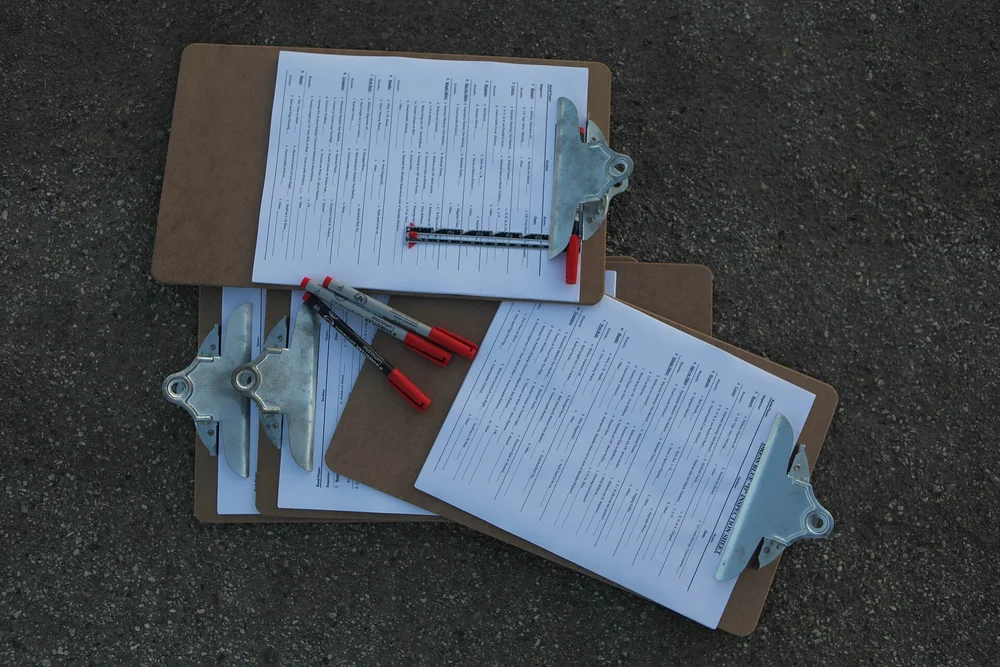
Photo: U.S. Marine Corps, public domain, via Wikimedia Commons
One number for every property you manage
Incidents don't follow a schedule. A maintenance tech finds something during a work order, a resident reports an odor on a Sunday night, police release a unit after a welfare check. Your team shouldn't have to search for a vendor each time.
Many managers add our number, (615) 513-5112, to their after-hours procedures and vendor list so whoever is on call knows where to go. It works the same for a single-family rental in Gallatin or a garden-style community in Antioch. Scheduling for each address is confirmed by phone, and distance from our Nashville base can affect timing.
If you're setting this up in advance, a short call to walk through how your company handles approvals and invoicing saves time when the first incident comes in.
What we'll ask on the first call
A complete intake lets us plan the assessment and avoid a second trip. Have whoever calls ready with as much of this as they can.
| Item | Why we ask |
|---|---|
| Property address and unit number | To plan the route and confirm scheduling. |
| Release status | Whether police or the medical examiner were involved and have released the unit. |
| Occupancy | Vacant, occupied by the affected resident, or occupied by others such as family or roommates. |
| Rooms and flooring | A rough idea of which rooms and surfaces are affected. |
| Access method | Keys, lockbox, gate codes, fob, and an on-site contact. |
| Building rules | Contractor hours, elevator reservation, parking or loading areas. |
| Approver | Who can sign off on the written scope: you, a regional manager or the owner. |
| Belongings | Whether a resident's personal property is still in the unit and who has authority over it. |
Don't hold the call if you don't have every answer. We can start with what you know.
The documentation packet owners receive
Most managers have to explain an incident to an owner who wasn't there. Each job comes with a packet you can forward as-is:
- Written scope from the assessment, listing what will be removed, cleaned and left for a contractor.
- Photographs of the affected area before work and after completion.
- Itemized invoice showing labor, removed materials and disposal.
- Contractor notes describing any building materials that will need replacing, so you can get repair bids right away.
- Item list of resident belongings that were contaminated, where relevant.
These records are what an owner's insurer typically asks for, though requirements vary by policy. Our guide on what property managers should document before remediation covers what your own team should capture before we arrive.
Keeping owners informed
Owners want to know three things: what happened in general terms, what it will cost, and when the unit will be back in service. We help you answer the first two with the scope and the packet. The third depends on repairs, and our contractor notes help you get those moving.
Initial notice
Tell the owner an incident has occurred and that an assessment is being arranged. Keep details general.
Scope for approval
Forward our written scope. If your management agreement has a spending threshold, this is the document the owner approves.
Completion
Send the after photos and itemized invoice, along with the list of repairs a contractor will handle.
If an owner wants to talk with us directly, that's fine. We'll keep you copied so you stay the point of contact.
Scheduling around residents
In an occupied community, the people next door still need to get to their cars, take out their trash and sleep. We plan visits to reduce disruption:
- Working within your contractor hours, and splitting the job if needed.
- Using service entrances and reserved elevators where you have them.
- Keeping unit doors closed during work and waste sealed before it moves.
- Referring resident questions to your office instead of answering them ourselves.
In a duplex or townhome where a resident shares a wall, let us know if they've reported an odor. We'll include the shared side in the assessment if you approve. Building-level details for multi-family properties are covered on our apartment cleanup page, and managers may also find the apartment manager's guide to traumatic incidents useful for staff training.
What your maintenance staff should and shouldn't do
Maintenance techs are often first on scene, and they want to help. The safest instruction is simple: secure the unit and call. Employers whose staff have occupational exposure to blood or other potentially infectious materials have duties under OSHA's Bloodborne Pathogens Standard, including an exposure control plan, training and protective equipment. Whether that applies to your team is a question for your company.
Ask staff to
- Close and lock the unit.
- Turn off a fan blowing into the area if that's easy.
- Note what they saw and when, for the file.
- Call the office or us.
Ask staff not to
- Pull up carpet or move soiled items.
- Use shop vacuums or carpet extractors on the area.
- Bag and toss belongings.
- Start a turnover before we've finished.
Questions people ask
Can we set you up as a vendor before we need you?
Yes. Call or contact us and we'll talk through how your company handles approvals and invoicing so the first job goes smoothly.
Who should sign off on the scope, us or the owner?
That depends on your management agreement. We'll send the written scope to whoever you tell us has authority, and we won't start removal work until it's approved.
Can you invoice the owner directly instead of our company?
Let us know your preference when you call. We'll address the invoice the way you and the owner agree, and copy you on it.
A resident's family wants to collect belongings. Can they be there during cleanup?
We generally ask that family wait until the affected area is finished, or collect unaffected items from other rooms first. We'll coordinate timing with you and them.
Our tech already pulled up some of the carpet. Is that a problem?
It happens, and it's fixable. Tell us where the material was moved and whether anything was carried through other rooms or put in a dumpster. We'll widen the assessment to cover the path it took, and you may want to remind staff of the secure-and-call rule afterward.
Do you handle multiple units at the same property?
Yes. If more than one unit is affected, each gets its own scope line so owners and adjusters can see what applies where.
Sources
Add us to your after-hours list
Save (615) 513-5112 with your on-call procedures. When an incident comes in, we'll take the intake details and plan the assessment with your team.

