A Landlord's Guide to Biohazard Cleanup
If something traumatic has happened in one of your rental units, the short answer is this: make sure the scene has been released by police or the medical examiner, keep the unit closed, document what you can without touching anything, and arrange professional biohazard cleanup before any turnover work begins. Cleanup is one piece of a larger job that also involves the tenant or their family, your insurer and possibly an attorney.
This guide walks through those pieces in order, with Tennessee-specific notes where we could verify them.
If the incident involved a suicide and you or someone you know is struggling, you can call or text 988 to reach the 988 Suicide & Crisis Lifeline at any hour.
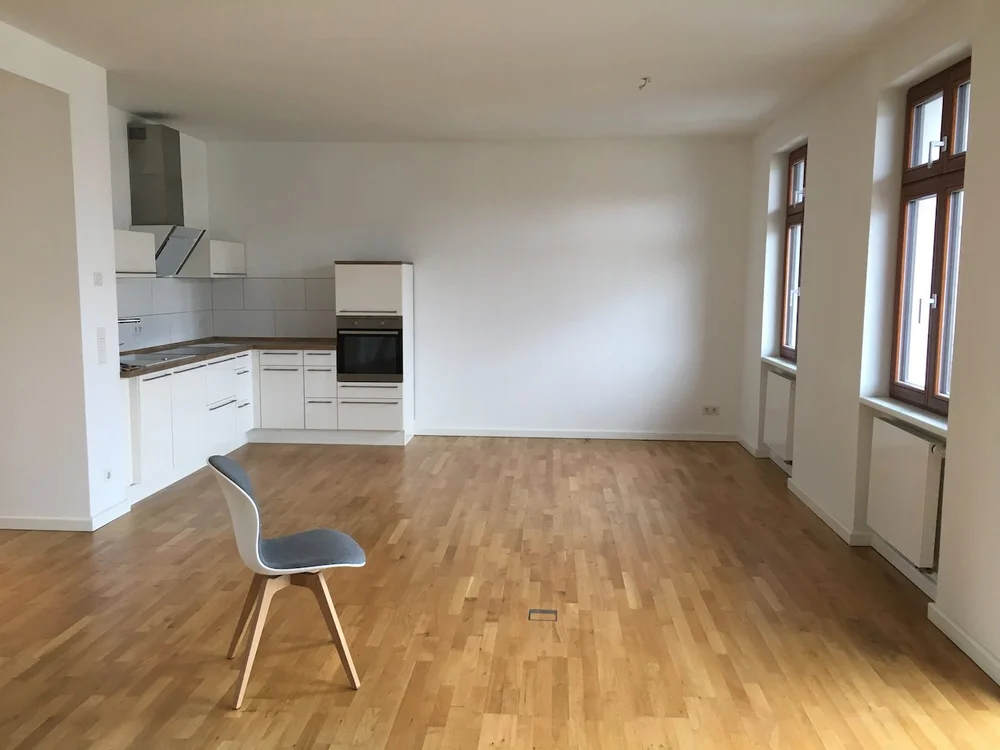
Photo: SmashingIt99, CC0, via Wikimedia Commons
Your first hours as the owner
Landlords usually hear about an incident secondhand: a call from a police officer, a neighbor, a relative of the tenant or a maintenance worker who was asked to open a door. Whatever the route, your role in the first hours is narrow. You are not the investigator and you are not the cleaner. You are the person who controls access to the building and who will later need a clear record of what happened to the property.
Confirm the scene status
Ask the responding agency whether the unit is still an active scene. If police or the county medical examiner have not released it, nobody should enter, including you, maintenance staff or the tenant's relatives.
Secure the door
Once the unit is released, make sure it is locked. If the lock was damaged during entry, arrange a lock change from the outside only, and keep a record of who holds keys.
Write down the basics
Note the date, the agency, any report or case number you are given, the name of the officer or investigator you spoke with, and the names and phone numbers of family members who contact you.
Call your insurer or agent
Tell them what happened in plain terms and ask what they need from you. Do this before you authorize any removal of carpet, furniture or fixtures.
Arrange a professional assessment
A biohazard cleanup company looks at the unit, explains what is affected and gives you a written scope. You can reach Nashville 24/7 Biohazard Disposals by phone at any hour to start that conversation.
That is the whole list for day one. Rent questions, lease termination, the deposit and re-listing can wait until the unit is safe and the people involved have had a little time.
Who is allowed into the unit, and when
This question causes more friction for landlords than any other, because several people may feel they have a right to be inside: you, the tenant, a co-tenant, the tenant's family, an executor, an insurer's adjuster and the cleanup crew. The order generally runs like this.
Law enforcement and the medical examiner come first
Until the responding agency releases the unit, it controls the space. In Tennessee, sudden, unexpected, traumatic and suspicious deaths are investigated by the county medical examiner, according to the Office of the State Chief Medical Examiner. Release can take hours or longer. Cleanup cannot begin before it.
Then the person with the right to possession
A lease gives the tenant possession of the unit. If the tenant is alive, even if hospitalized, they or someone they authorize still has that right. If the tenant has died, the situation becomes an estate question, which is covered in the next sections. In either case, the safest course is to ask before you enter for anything beyond an emergency, and to keep a written record of permission.
Then the people you invite for a specific purpose
Adjusters, cleanup technicians and contractors enter because the owner or the person in possession has asked them to. Keep their visits on a simple log with dates and times. If the tenant's family wants items removed before cleanup, let the cleanup company advise which areas are safe to walk through; some rooms may need to wait until contaminated materials are out.
Keep maintenance staff out
A well-meaning handyman with a shop vacuum can spread contamination and turn a single-room job into a larger one. OSHA's Bloodborne Pathogens Standard places duties on employers whose workers have occupational exposure to blood, so asking an untrained employee to handle the area also raises workplace safety questions.
Which Tennessee landlord-tenant rules may apply
Tennessee has a Uniform Residential Landlord and Tenant Act, found in Title 66, Chapter 28 of the Tennessee Code. It does not apply everywhere in the state. Under Tenn. Code Ann. § 66-28-102, the Act applies only in counties with a population of more than 75,000 according to the 2010 federal census.
Using 2010 census figures published by the University of Tennessee County Technical Assistance Service, the counties in our service area above that line are Davidson, Rutherford, Williamson, Montgomery, Sumner, Wilson and Maury. Robertson, Dickson, Cheatham, Macon, Hickman, Smith, Cannon and Trousdale counties were below it. In those smaller counties, the lease and other parts of Tennessee law govern instead, and the answers to questions about notice, entry and abandoned property can differ.
The Act also has exclusions. For example, it does not cover transient stays in hotels or motels, and federally regulated public housing follows federal rules where they conflict with state law. If your property is a short-term rental or subsidized housing, ask an attorney which rules control.
General information, not legal advice
We are a cleanup company, not a law firm. This section is here so you know which questions to bring to a Tennessee attorney who handles landlord-tenant matters. Statutes change, and how they apply depends on your lease and the facts.
When the tenant has died: the lease and their belongings
A death does not hand the contents of a rental unit to the landlord. The tenant's belongings are generally part of their estate, and decisions about them belong to whoever has legal authority over that estate. Tennessee's own medical examiner materials list the legal next of kin in order: a spouse first, then an adult child, a parent, adult siblings, adult grandchildren and grandparents. Next of kin and estate authority are related but not always the same thing; an executor named in a will, or an administrator appointed by a court, may be the person who ultimately decides.
Practical steps that keep you on solid ground
- Ask the family who is handling the estate, and request a copy of whatever document shows that authority when it exists.
- Do not give away, sell or throw out belongings on the strength of a phone call.
- Put agreements about move-out dates, access and remaining items in writing, even a short email.
- If no one comes forward, talk to an attorney before treating property as abandoned. Tennessee's abandonment rules were written for living tenants who leave, and applying them to a death is a legal judgment.
Where small estates come in
Some estates are settled through a simplified small-estate process rather than full probate. Rutherford County's clerk describes the requirements for its small-estate filings under Tennessee's Small Estates Act, including a waiting period after the date of death and a value limit. The family may not have authority on paper for several weeks, which is one reason a written, temporary arrangement about access is helpful.
How cleanup fits around the estate
Cleanup only removes materials that are contaminated. Unaffected belongings stay in place or are set aside for the family. When something the family may want is in the affected area, such as photographs or papers, our technicians assess it and explain whether it can be cleaned or whether it has to be disposed of. Nothing personal is discarded without the responsible party knowing. Our guide on how professionals decide whether materials can be remediated explains that decision in more detail.
When the tenant survived the incident
Many rental cleanups follow an injury, an assault or a self-harm attempt where the tenant lived. The situation feels different, and it is. The tenant still has possession, may still want to live there, and may be dealing with a hospital stay or a police case.
Reach out with care and keep the conversation practical: the unit needs professional cleaning, here is who will do it, and here is when they will need access. Some tenants prefer that family members handle the details. Ask rather than assume.
If the incident was a crime, Tennessee's Criminal Injuries Compensation program can pay up to $3,000 toward cleaning and removal of materials when the crime occurred in the victim's or an eligible relative's home. The program is the payer of last resort, the crime generally has to be reported to law enforcement within 15 days, and claims are filed within two years. A tenant's apartment is their home, so the tenant or an eligible relative may want to ask the program about it. It is not a fund landlords apply to for their own losses. If the incident involved domestic violence, the National Domestic Violence Hotline is available at 1-800-799-7233.
For more on the cleanup side of these situations, see our pages on assault scene cleanup and blood cleanup in rental properties.
What the cleanup covers in a rental unit
Landlords often think in terms of turnover: paint, carpet, deep clean, re-list. Biohazard cleanup sits in front of that cycle and has a narrower goal. It removes biological contamination and the materials that cannot be safely cleaned, then disinfects and deodorizes what remains, so that a normal contractor can work in the space.
Typically part of the cleanup
- Assessing every room and surface that may be affected
- Removing carpet, pad, mattresses and upholstered items that absorbed fluids
- Cutting out affected sections of drywall, baseboard or subfloor where needed
- Cleaning and disinfecting hard surfaces with EPA-registered disinfectants used according to label directions
- Deodorizing the affected area
- Packaging contaminated material for disposal in line with applicable Tennessee and federal requirements
Typically handled by others
- New drywall, flooring, trim and paint, which is contractor work
- Appliance replacement
- Moving out unaffected furniture and belongings for the family
- Lock changes and routine turnover cleaning
- Legal questions about the lease or estate
We tell you during the assessment if your unit will need a contractor afterward. Multi-unit buildings sometimes have shared elements, such as a common subfloor or a duct, that need a closer look. Our page for landlord biohazard cleanup services goes through how we handle rentals specifically, and the comparison of biohazard cleanup and standard restoration explains where one ends and the other begins.
Insurance, the deposit and who pays
There is no single answer to who pays, and anyone who tells you otherwise without reading your policy is guessing. These are the usual places landlords look:
- Your landlord or dwelling policy. Some property policies may cover some of this work. Coverage depends entirely on the policy language and the insurer's decision.
- The tenant's renters policy. It usually concerns the tenant's belongings and liability, not your building, but ask.
- The tenant's estate. Depending on the lease and the circumstances, an attorney may advise you on whether costs can be claimed against the estate.
- The security deposit. Applying a deposit after a death or a crime is a legal question that depends on your lease and which rules apply in your county. Talk to an attorney before you do it.
- Tennessee Criminal Injuries Compensation. Covered above. It is for victims and their eligible relatives.
Whatever route you take, the insurer will want records. We provide documentation people can give their insurer: photographs, a written scope and an itemized invoice. We do not promise that any insurer will pay. Our guide to insurance questions after a biohazard incident lists what to ask your agent, and how our pricing works explains how a scope turns into a price. If you are ready to book, the Order Online page takes a $2,000 initial deposit. That deposit is not the final price and does not mean work begins within any particular time.
Records to keep for your file
Months from now, an adjuster, an attorney or a future buyer's agent may ask what happened and what was done. A tidy folder answers those questions in minutes. Keep:
| Record | Why it matters later |
|---|---|
| Report or case number and agency name | Insurers often ask for it, and it confirms when the scene was released |
| Contact log for family, estate and tenant | Shows who authorized access and decisions about belongings |
| Photos taken from the doorway before cleanup | Shows the condition you found, without anyone entering the affected area |
| Written scope from the cleanup company | Explains what was removed and why |
| Itemized invoice and completion photos | Supports an insurance claim and documents the finished state |
| Contractor estimates for rebuilding | Separates restoration costs from biohazard costs |
Our guide on documentation in biohazard remediation goes further into what a good record looks like.
Re-renting and the disclosure question
Once the unit is cleaned and repaired, many owners ask whether they must tell the next tenant or a buyer what happened. Tennessee has a statute on this point. Tenn. Code Ann. § 66-5-207 provides that no cause of action arises against an owner or a real estate licensee for failing to disclose that a property was the site of a homicide, a felony or a suicide.
That statute answers a narrow question. It does not address whether a physical condition must be disclosed, how other laws apply, or what you should say if someone asks you directly. Answering a direct question untruthfully is a different matter from staying silent. Ask an attorney how the statute applies to your situation before you write a listing or answer a prospect.
The cleanup itself supports whatever you decide. A unit that has been properly remediated, with records showing what was removed and how the area was treated, is easier to discuss honestly than one where a stain was painted over. Our guide for rental and investment property owners discusses the business side of getting a unit back on the market.
Mistakes landlords make under pressure
Most of these come from a reasonable wish to get the unit back to normal quickly.
- Sending in the regular turnover crew. General cleaners are not equipped for blood or bodily fluids. See how crime scene cleanup differs from general cleaning.
- Painting or re-carpeting over the problem. Material underneath can stay contaminated, and odors tend to come back.
- Clearing out belongings to save time. They belong to the tenant or the estate.
- Throwing away damaged items before the insurer sees them. Keep them, or keep clear photos and the cleanup company's records, until your adjuster says otherwise.
- Talking about the incident in a listing or to other tenants. It rarely helps anyone.
- Assuming the deposit covers it. Ask an attorney first.
A landlord's short list to keep
When a traumatic event happens in a rental, your job is to keep the unit closed until it is released, protect the tenant's or the estate's property rights, keep your insurer informed and get professional cleanup in place before turnover starts. Bring legal questions about the lease, belongings, deposit and disclosure to a Tennessee attorney, and remember the Uniform Residential Landlord and Tenant Act applies only in certain counties.
Nashville 24/7 Biohazard Disposals is based in Nashville and travels to rentals throughout the Middle Tennessee counties we serve; scheduling for any address is confirmed by phone at (615) 513-5112. Our rental property biohazard cleanup page explains the service itself.
Questions people ask
Can I enter the unit to check on damage before the cleanup company arrives?
Only after police or the medical examiner have released it, and preferably only as far as the doorway. Walking through an affected room can track material into hallways and other units. Take photos from the door, keep the door closed and let the assessment cover the rest.
Does the Tennessee landlord-tenant act apply to my rental in Robertson or Dickson County?
Based on Tenn. Code Ann. § 66-28-102 and 2010 census figures, Robertson and Dickson counties were below the 75,000 population threshold, so the Uniform Residential Landlord and Tenant Act would not appear to apply there. Your lease and other Tennessee law would govern. Confirm with an attorney, because the answer affects notice and abandoned-property questions.
The tenant's family lives out of state. Can they authorize cleanup by phone?
They can usually authorize the cleanup work itself, and we can send the written scope by email. Decisions about belongings and the lease are separate and depend on who has authority over the estate. Our guide for families arranging unattended death cleanup may help you explain the process to them.
Will the cleanup company throw out the tenant's furniture?
Only items that are contaminated and cannot be safely cleaned, and only with the responsible party informed. Unaffected furniture stays where it is. If the family wants unaffected items moved out, that is usually done by them or a moving service.
Can I keep the unit listed while the cleanup is pending?
You can, but showings should wait until the work and any repairs are complete. Showing an unrestored unit risks exposure for visitors and hurts the listing. A completion record from the cleanup company helps you set a realistic date.
Is the person who found the tenant entitled to anything from me?
That is a legal question that depends on who they are and what happened. If an employee or contractor of yours was exposed to blood, workplace safety rules under OSHA may apply, and they should seek medical advice. For anything else, talk to your attorney or insurer.
Do I have to tell my insurer before hiring a cleanup company?
Most policies expect prompt notice, so tell your insurer early. You do not need to wait for an adjuster before arranging an assessment, but ask whether they want to see the unit or the photographs before materials are removed.
Sources
- Tenn. Code Ann. § 66-28-102 (scope of the Uniform Residential Landlord and Tenant Act), via Justia
- UT County Technical Assistance Service: Tennessee counties by population (2010 census figures)
- Tenn. Code Ann. § 66-5-207 (nondisclosure of homicide, felony or suicide)
- Office of the State Chief Medical Examiner: Medical Examiner pamphlet for families
- Tennessee Department of Treasury: Criminal Injuries Compensation
- Rutherford County, TN: Estate and wills (small estates and probate)
- OSHA Bloodborne Pathogens Standard (29 CFR 1910.1030)
Talk through your rental's next steps
Call (615) 513-5112 at any hour to describe the unit and arrange an assessment. We will give you a written scope you can share with your insurer and the tenant's family.