Cleanup Following a Death Discovered After an Extended Period
Sometimes a person is not found for weeks, or even months. This is more common than people think, especially for those who lived alone and kept to themselves. When it happens, the cleanup is about the whole property, not only one room: services may have been shut off, the home may have been closed up through changing seasons, and the building itself needs checking.
This page explains what an extended interval means for the property, how we assess it, and what a realistic timeline looks like. It is written for the family, landlord or owner who now has to deal with it.
Families in this situation often feel guilt that the person was not found sooner. Many people live independently and privately, and this happens to caring families too.
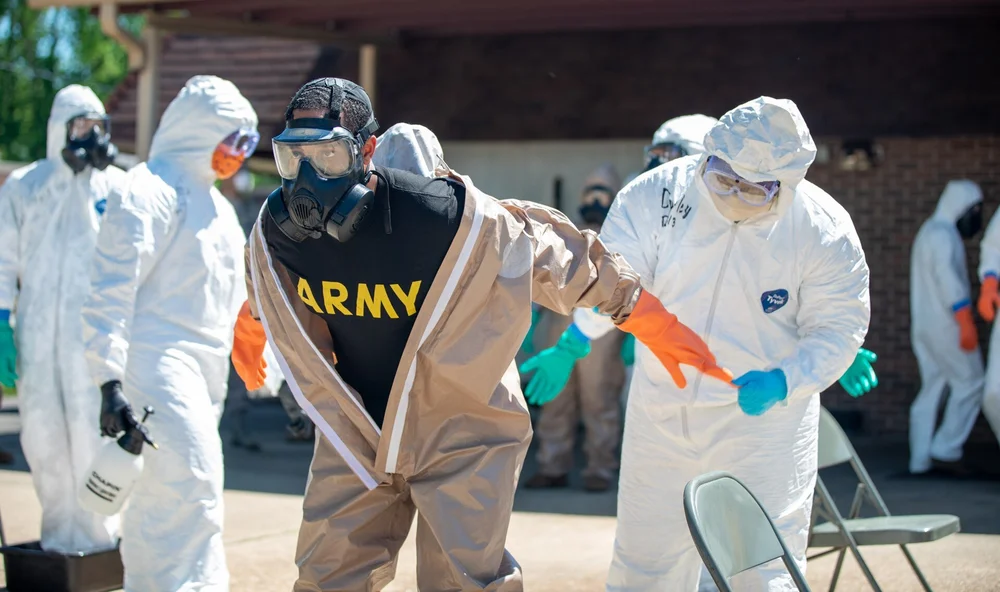
Photo: The National Guard, public domain, via Wikimedia Commons
How these deaths are usually discovered
Long-interval deaths are usually found through a welfare check. A relative cannot reach someone, a landlord notices unpaid rent, mail and packages pile up, or a neighbor realizes they have not seen the person in a while. Police or deputies enter the home, and the county medical examiner is notified.
The medical examiner's process in these cases may take longer, partly because identification and cause of death can be harder to determine. The state's guidance says autopsy reports usually take about 10 to 12 weeks. Cleanup cannot begin until the property has been released, but it does not need to wait for the report.
The condition of the property
When a home has been closed up for weeks or months, several things beyond the affected room may need attention:
- Utilities. Power, water or gas may have been disconnected for non-payment. Without power and water we cannot work, so restoring them is often the first practical step.
- Food and appliances. A refrigerator that lost power will usually need to be emptied and may need to be replaced.
- Temperature damage. Without heat, pipes may have frozen in winter. Without cooling, summer heat speeds up the spread of material and odor.
- Pests. Insects are a normal part of a long interval and are handled as part of the cleanup. Other pests attracted to an empty house may need a pest control company.
- Security. Entry by police may have left a door or window damaged. Make sure the property is secured.
None of this has to be solved at once. We help you work out the order.
Assessing the structure
With long intervals, the question is not just which furniture to remove but how far material went into the building. We check the subfloor and joists under the affected area, wall cavities nearby, the ceiling of any room below, crawl spaces and basements, and the HVAC system if it was running for part of the time. Where flooring or walls have been weakened, we will say so and recommend that a contractor look at them.
The more detailed side of this, including when framing must come out, is on our advanced decomposition page. For how professionals judge materials, see How Professionals Assess Affected Rooms and Materials.
Safety before anyone goes inside
Please be careful entering the property
After a long interval, floors near the affected area may be weakened and the air in the room can be unpleasant to breathe. If you need to enter to secure the property or collect papers, avoid the affected room, keep its door closed, and do not stay longer than you need to. Children and pets should not go in. If you see damage that makes the building unsafe, such as a sagging floor or ceiling, stay out and tell us.
A realistic timeline
We would rather give you an honest picture than a fast promise. A typical sequence:
| Stage | What happens | What can affect it |
|---|---|---|
| Release | Police and the medical examiner finish and return the property | The investigation |
| Utilities and access | Power and water restored, keys or lockbox arranged | Utility companies, who holds the account |
| Assessment and scope | We inspect and send a written scope for approval | Scheduling and travel distance from Nashville |
| Cleanup | Removal, cleaning, disinfection and deodorization | Number of rooms, structural removal, access |
| Repairs | A contractor replaces removed flooring, drywall or framing | The contractor's schedule |
The cleanup stage alone can run from a few days to longer for multi-room or structural work. We give you an estimate after assessment and update you if anything changes.
How this differs from a typical unattended death
When someone is found within a few days, cleanup is usually limited to one room and the furniture and flooring in it, which is what our decomposition cleanup page describes. After weeks or months, three things change. The work is more likely to reach the structure. Odor has had time to move into other rooms, fabrics and ductwork. And the property itself has been left without anyone looking after it, so practical problems like utilities, spoiled food and security are part of the job too. That is why we treat these cases as a property assessment first and a room cleanup second, and why the scope often takes a little longer to set.
Who handles this, and how we help
In a rental, the landlord often finds out first and arranges cleanup. In an owned home, it usually falls to family or the estate, who may live far away. Both can work with us by phone and email. Executors may want to read our estate property page, and landlords Biohazard Cleanup for Rental and Investment Properties. If the property is a house with a crawl space or basement, the residential death scene cleanup page covers those features.
Cost factors and service area
Long intervals usually mean a larger scope: more material removed, more of the structure involved and more disposal. Cost follows the written scope, and we do not publish prices; see how pricing works. Some property insurance policies may cover some of this work; we provide photos, a written scope and an itemized invoice to help. The wider process is on our unattended death cleanup page and in Understanding Unattended Death Cleanup. We travel from Nashville to properties throughout our service area, including rural homes in Hickman County and Dickson County.
Questions people ask
The power and water were shut off. Can you still do the work?
We need both to clean properly, so they usually have to be restored first. Whoever holds or takes over the utility accounts, often the estate or landlord, can request reconnection. We can talk through the order of steps with you.
Do we have to wait for the autopsy report before cleanup?
No. Cleanup can start once police and the medical examiner have released the property. The report, which the state says usually takes about 10 to 12 weeks, is separate.
Is the house still safe to keep?
Usually, yes. Even after long intervals, affected materials can be removed and replaced. If we see signs of structural concern, we will point them out so a contractor can advise you.
Will everything in the house have to go?
Generally not. Rooms away from the affected area are often fine apart from odor, and many items can be cleaned. Food, soft items in the affected room and anything that absorbed biological material are the main things removed.
How do we deal with the smell in the rest of the house?
The first step is removing the source in the affected room. Once that is done, odor in other rooms usually improves, and remaining odor is treated. Our odor remediation page explains the approach.
Sources
Facing a property that has been closed up a long time?
Call (615) 513-5112. We will help you work out what needs to happen first and arrange an assessment.

