Serious Injury Scene Cleanup
When someone is badly hurt in an accident and rushed to hospital, the place where it happened is often left as it was. We clean and disinfect that area, remove anything that soaked up blood, and get the space back into use, so family can focus on the person in hospital and workers can return to the job.
This page covers accidents where the person survived: falls, cuts, machinery and tool injuries, sudden medical events and similar. It explains how these jobs differ from crime and death scenes, and what employers and households each need to think about.
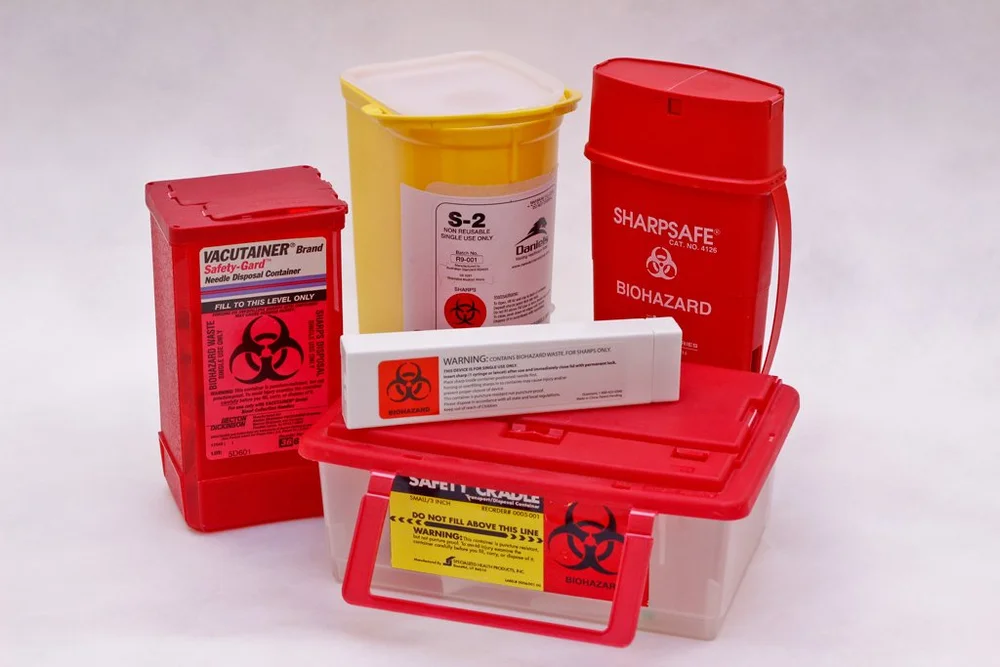
Photo: U.S. Food and Drug Administration, public domain, via Wikimedia Commons
Accidents that lead to these calls
The common thread is a sudden injury with a lot of bleeding, followed by the person leaving with paramedics. Typical examples:
At home
- A fall down stairs or from a ladder
- A deep cut from glass, a kitchen knife or a power tool
- A severe nosebleed or medical event in an older person living alone
- An injury in a garage, barn or workshop
At work
- A machinery or conveyor incident in a plant or warehouse
- A fall on a construction or maintenance job
- A kitchen injury in a restaurant
- A customer or patron hurt on the premises
If the person died, or if a crime was involved, other pages fit better: see crime scene cleanup or what to expect after a traumatic death.
How an injury scene differs from other trauma scenes
Injury scenes are usually found and dealt with quickly, so material hasn't had long to soak in. There is often no investigation, so there may be no release to wait for. That means the job can often be smaller and more straightforward than a death scene.
But injury scenes also have their own complications. Paramedics work fast, and the path from where the person fell to the door may have been tracked through other rooms. Equipment left behind, such as bandage wrappers and gloves, is itself contaminated. And people often try to tidy up before calling, which can push material into carpet or grout.
If you need help with blood that was left for days before anyone could deal with it, dried blood cleanup explains the extra work involved. For the blood-specific side of an injury, blood cleanup after a traumatic injury covers surfaces and materials in more depth.
For employers and facility managers
After a workplace injury, you have an injured employee, shaken coworkers, possibly a stopped production line, and a reporting process to start. Cleanup is one more thing to arrange.
OSHA's Bloodborne Pathogens Standard applies to employers whose employees have occupational exposure to blood, and sets requirements such as an exposure control plan, protective equipment and training. Whether your own staff should clean up after an injury depends on your obligations under that standard and your own plan. Bringing in an outside cleanup company is one way to avoid putting untrained employees in contact with blood.
Things we'll ask about:
- Whether any investigation, internal or external, needs the area left as it is first.
- Which equipment was involved, and whether it's safe to approach. Machinery needs to be locked out by your people before we work near it.
- Which areas must stay operating, so we can contain the work zone around them.
Workplace biohazard cleanup and our article on planning for a traumatic incident go further.
For families
If you're reading this from a hospital waiting room, the most useful thing to know is that the house can wait a little. Close the door to the affected area, keep pets out, and don't worry about cleaning it. Ask a neighbor to check the house is locked if everyone left in a hurry.
When you're ready, call us. If you can't be at the property, a relative or friend can meet us. We'll go through the scope with whoever is there and send photos to you if that helps. Older homes often have carpet over hardwood, and we'll check whether the wood beneath is affected before deciding what to remove.
The process, start to finish
Call and access
We confirm where the injury happened, whether anyone needs the area left untouched, and who will let us in.
Assessment
We trace the affected area, including the route the person was moved along, and write a scope.
Removal
Contaminated porous material such as carpet, pad or rugs is removed and sealed. Discarded medical supplies are bagged with it.
Cleaning and disinfection
Floors, walls, stairs, railings, equipment surfaces and anything else affected are cleaned, then treated with EPA-registered disinfectants used according to label directions.
Return to use
We walk through with you and hand over photos and an itemized invoice. If flooring was removed, you'll know what a contractor needs to replace.
How long before the space is usable
Many single-area injury jobs are finished in one visit, because the material is fresh and confined. Larger jobs take longer, especially if subfloor or drywall must come out. We can't promise when we'll arrive, but once we're on site we'll give you a realistic estimate of how long the work will take and when people can go back in. Our guide to cleanup after a serious injury explains what affects that timeline.
Scope, price and paperwork
Price comes from the written scope after assessment. It depends on the size of the area, what materials are affected, whether anything was tracked into other rooms, and access. The Order Online page takes a $2,000 initial deposit, which is not the final price. Some property or business insurance policies may cover some of the work, depending entirely on the policy; ask your insurer. For workplace incidents, our photos and itemized invoice can support your own incident records.
We travel across our Middle Tennessee service area, including industrial and residential areas in Smyrna, La Vergne and Gallatin.
Questions people ask
Can my employees just clean it up themselves?
That depends on your obligations under OSHA's Bloodborne Pathogens Standard and your exposure control plan, including whether those employees are trained and equipped for it. If you aren't sure, an outside cleanup is the safer choice.
Paramedics left supplies behind. Should I throw them away?
Leave them where they are if they're in the affected area. They may be contaminated, and we'll package them with the rest of the waste.
Do we need to wait for anyone before cleanup?
For a home accident, often not. For a workplace injury, check whether your safety team, insurer or a regulator needs to see the area first. If police attended, confirm they don't need anything further.
The blood is on a hardwood floor. Can it be saved?
Sealed hardwood in good condition can often be cleaned. If fluid got between boards or into unsealed wood, those boards may need removal. We'll check during assessment.
My relative is coming home from hospital soon. Will the room be ready?
Tell us the expected discharge date when you call. We can't promise an arrival time, but knowing the date helps us plan, and we'll tell you after assessment whether the work is likely to be finished in time. If flooring has to come out, you may want to arrange a temporary rug or a different bedroom until a contractor replaces it, so the person isn't coming home to a bare subfloor.
Is a single injury job worth a professional visit?
A small amount of blood on a hard surface can be handled by following public-health guidance. Call us when the amount is large, it reached carpet or upholstery, it's spread across several areas, or you'd rather not do it.
Sources
Get the space back
Call (615) 513-5112 whenever you're ready. We'll ask a few questions and explain what the cleanup will involve.

