Specialized Biohazard Remediation Assessment
An assessment is a visit where we look at the affected area in person. We work out what needs to be removed, cleaned and disinfected, and put it in writing. Every job starts with one. When your situation doesn't fit neatly under one of our other services, the assessment is also where it gets defined.
This page explains when to ask for an assessment and what we look at. It also describes the written scope you receive, how that scope sets the price, and what you can do to make the visit useful.
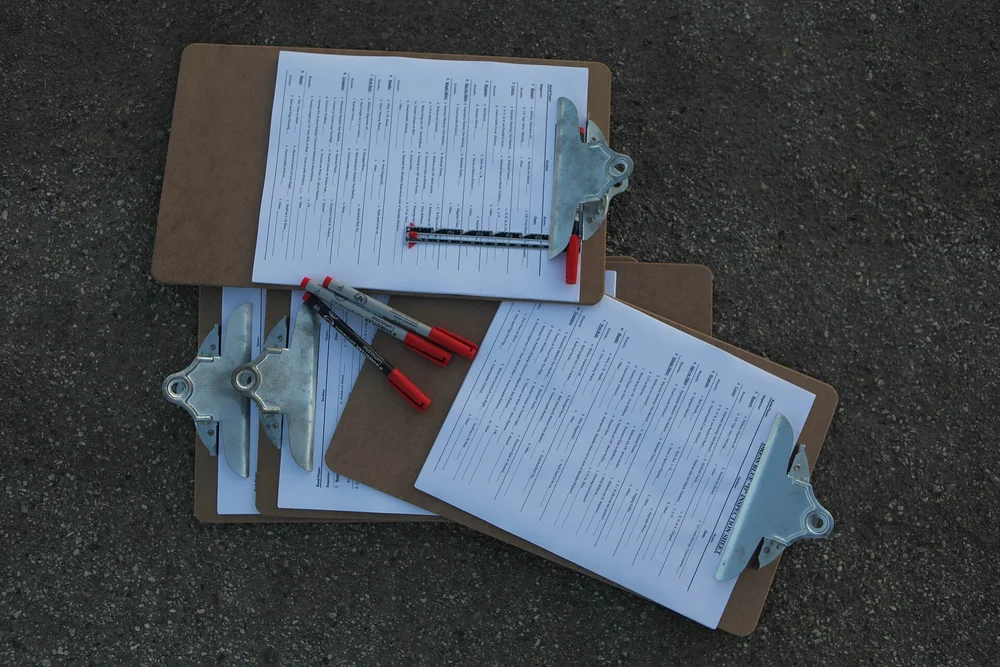
Photo: U.S. Marine Corps, public domain, via Wikimedia Commons
When to ask for an assessment on its own
Most people reach the assessment by calling about a specific incident. Some situations are less clear, and a standalone assessment makes sense when:
- You've found staining or residue and don't know what it is or how far it goes
- You're buying, inheriting or taking back a property and suspect an earlier incident was never properly cleaned
- A previous cleanup was done, but odor or staining has come back
- An unusual space is involved, such as a crawlspace, attic, boat, trailer, storage unit, walk-in cooler or elevator pit
- Several parties, such as a landlord, a tenant and an insurer, need the same written description before anyone approves work
- You need to compare quotes and want a scope you can hand to more than one company
If you're unsure whether your situation is something we handle, call and describe it in general terms. Some things aren't biohazard work at all, and we'll say so.
What we look at during the visit
An assessment is more than a glance at the stain. We work from the visible area outward, because biological material usually travels further than it first appears.
Extent
We trace how far contamination has reached across surfaces and into adjoining rooms, and along paths people walked through. Footprints and drips often extend the area.
Depth
For carpet, we check the pad and the subfloor beneath. For walls, we check behind baseboards and trim. For furniture, we look at what lies under the cover. Where it can be done without damage, we lift edges to see.
Materials
Each surface is identified as non-porous (sealed tile, metal, glass), semi-porous (sealed wood, laminate) or porous (carpet, drywall, fabric, unsealed wood). That decides what can be cleaned and what has to come out. Our guide on how professionals assess rooms and materials goes into this in depth.
Air and odor
We note whether odor is present and where it seems strongest. We also check whether HVAC returns or ductwork are near the affected area.
Access and logistics
Stairs, elevators, parking, distance to the exit, building rules and after-hours entry all shape how the work will be done.
What you get afterward: the written scope
The result of an assessment is a written scope of work. It typically includes:
| Part of the scope | What it tells you |
|---|---|
| Affected areas | Each room or zone, described so anyone can find it |
| Materials to remove | Items and building materials that can't be decontaminated, and roughly how much |
| Cleaning and disinfection | Surfaces to be cleaned and disinfected with EPA-registered disinfectants used according to label directions |
| Odor work | Whether odor treatment is included, and where |
| Exclusions | What we are not doing, such as rebuilding or work on electronics |
| Contractor needs | Repairs a contractor will need to do after removal |
| Price | The cost for the scope as written |
We also take photos during the visit. Together with the scope, they give an insurer, landlord or risk manager a clear record. We don't start work until you approve the scope. If we find something new once work is underway, such as contamination under a floor that looked intact, we stop and discuss it with you before going further. More on what makes a good record: understanding documentation in biohazard remediation.
How the assessment connects to price
We don't quote a firm price over the phone because the factors that drive cost are things we can only see on site:
- The size of the affected area and the number of rooms
- How deep contamination has gone into floors, walls and furniture
- The mix of porous and non-porous materials
- Access, including stairs, tight spaces and building restrictions
- The volume of waste
- Whether odor treatment is needed
On the phone we can explain how jobs like yours are usually approached. The price itself comes with the written scope. If you'd like to compare quotes, a detailed scope helps you compare like with like. Our guide to evaluating a cleanup quote shows what to look for. General background is on how pricing works.
For businesses, billing is per incident and no contract is required. If you want to start immediately, the Order Online page takes a $2,000 initial deposit. It is not the final price, and it doesn't fix a start time.
Helping the visit go well
Confirm the area is released
If police or the medical examiner were involved, make sure they have released the property. We can't assess an active scene.
Arrange access
Have keys, gate codes, alarm details and building permission ready. Tell us who will meet us, or how we will get in if nobody can.
Gather what you know
When it happened, roughly when it was found, and anything already moved, cleaned or thrown away. This helps us look in the right places.
Bring decision-makers in early
If an owner, insurer, landlord or manager needs to approve the work, let them know the scope is coming.
Leave things in place
Keep people and pets out of the area, keep the door closed and hold off on cleaning or throwing anything away.
Our guides on preparing a property for remediation and what not to do before an assessment cover this step by step.
Situations that don't fit other pages
The assessment is where unusual jobs get defined. A few examples of what people call about:
- Old or hidden contamination found during renovation, under flooring or behind cabinets
- A prior cleanup that didn't hold, where odor or staining has come back
- Outbuildings and odd spaces such as sheds, barns, detached garages, campers and storage units
- Mixed-use buildings where a business and a residence share walls or air handling
- Shared responsibility between a landlord and a tenant, or between neighboring units, where the scope has to be split
In each case we describe what we found and what we recommend. We'll also tell you clearly if part of the problem belongs to another trade, such as a plumber, an HVAC technician or a general contractor.
Questions people ask
Do I have to hire you after the assessment?
No. The written scope is yours to review, share with your insurer or landlord, or compare with other quotes. Work starts only if you approve it.
How long does an assessment take on site?
It depends on the size and complexity of the area. A single room is much quicker than a multi-room property or a building with several stakeholders. We'll give you a rough idea when we schedule the visit.
Can you assess from photos instead of visiting?
Photos help us understand the situation and prepare for the visit, but they can't show what's beneath carpet, behind baseboards or inside furniture. A firm scope needs an in-person look.
Can my insurance adjuster be there?
Yes, and it often helps. Let us know when you schedule and we'll try to coordinate. If they can't attend, the photos and written scope give them the same information.
What if the problem turns out not to be biological?
Sometimes staining or odor turns out to have another cause, such as a plumbing leak, mold or a dead animal. If what we find isn't something we handle, we'll tell you plainly and suggest what kind of professional to contact.
Sources
Request an assessment
Call (615) 513-5112 and describe the situation in your own words. We'll tell you whether it's something we handle and arrange a visit to put the scope in writing.