Vehicle Biohazard Cleanup
Blood or other bodily fluids inside a car, truck or van are harder to clean than most rooms. Seats, carpet and the headliner all absorb fluids, and there are many hidden seams and gaps. Air also circulates through the cabin. We remove contaminated materials, clean and disinfect what remains, and document the work for you and your insurer.
This page is for private owners, rideshare and taxi drivers, and fleet managers. It explains what can usually be cleaned and what has to come out. It also covers why the insurer, not the cleanup company, decides whether a vehicle is repaired or written off.
If this involves the death of someone close to you, take whatever time you need before making decisions about the vehicle. If you are struggling, you can call or text 988 to reach the 988 Suicide & Crisis Lifeline at any hour.
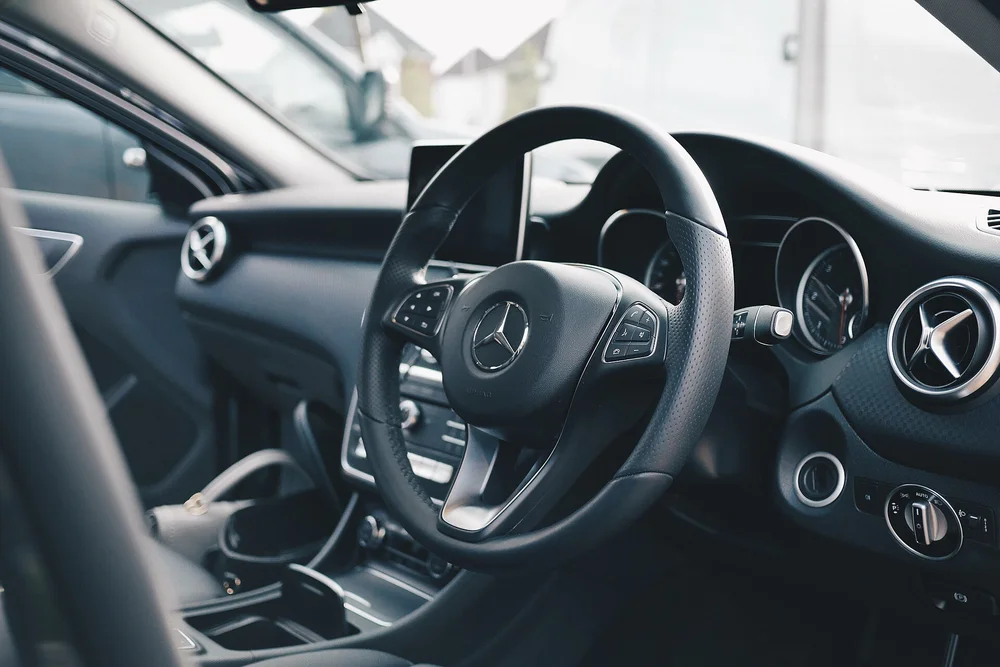
Photo: Oliur Rahman (Unsplash), CC0, via Wikimedia Commons
Who calls us about vehicles
Vehicle jobs come from very different people. A family may call about a car where a relative died. A rideshare driver may have had a passenger get sick or hurt. A company may have a truck or van that was involved in an injury. A dealership or towing yard may have a car that arrived contaminated. A property manager may find one in a parking garage.
What they share is a practical question: can this vehicle be made usable again, and who decides? This page answers both, in plain terms. If the vehicle was involved in a crime, it may be held by police first. We work only once it has been released to you.
Why a vehicle interior is harder than it looks
A car interior is small but complicated. Fluids that land on a seat rarely stay on the surface:
- Seats have fabric or leather over thick foam. Fluid soaks through seams and perforations into the cushion, and sometimes reaches the seat frame and the wiring for heaters, airbags or sensors.
- Carpet in most vehicles sits over a padding layer and sound insulation. Fluid can collect there out of sight.
- The headliner is fabric bonded to a backing board. It stains easily and is often hard to clean without damaging it.
- Seat belts are woven webbing that absorbs fluids and can be hard to clean thoroughly.
- Gaps and tracks, such as seat rails, console seams, door pockets and vents, trap material where a wipe can't reach.
Because the cabin is enclosed, odor also builds up faster than in a room. Running the ventilation can pull air across the affected area and through the system. A detailing shop is set up for dirt and spills, not for this, which is why we treat vehicles as a biohazard job.
How we clean a vehicle
Confirm release and location
We confirm the vehicle has been released, where it is parked, and that we have keys and permission to work on it. A private garage, driveway or secure lot all work. A public street is usually not suitable.
Assessment
We check every affected surface and the areas beneath and behind it. That often means lifting seat covers or carpet edges where it's possible to do so without damage.
Written scope
You receive a written scope listing what we will clean, what we recommend removing and anything we can't address, such as electronics or airbag modules.
Removal and cleaning
Contaminated porous parts that are part of the scope are removed and bagged. Hard surfaces such as plastic trim, vinyl and metal are cleaned and then disinfected with EPA-registered disinfectants used according to label directions.
Odor and handback
We address odor where it is part of the scope, package waste for disposal in line with applicable Tennessee and federal requirements, and give you photos, the scope and an itemized invoice.
Replacing removed seats, carpet or trim is work for a dealer, upholstery shop or body shop. We tell you which parts will need replacing so you can get those quotes.
Restore or total loss: who makes that call
Owners often ask us whether their vehicle is worth saving. It's a fair question, but the answer usually isn't ours to give.
If you are making an insurance claim, the insurer decides whether the vehicle is repaired or declared a total loss. They weigh the cost of cleanup and replacement parts against the vehicle's value. Our written scope and photos are part of what the adjuster reviews, but they make the decision.
Call your insurer before any work starts
Ask whether they want to inspect the vehicle first and whether they need any particular paperwork. Don't remove or throw away seats, carpet or personal items until they have said it is fine.
If you aren't claiming, the decision is yours. We'll tell you plainly what the cleanup involves, which parts would need replacing, and whether we think a full cleanup is realistic. For a full explanation of how materials are judged, see how professionals determine whether materials can be remediated.
What to do with the vehicle in the meantime
Safe steps
- Close the doors and windows and lock the vehicle
- Park it somewhere private and out of direct sun if possible
- Keep children and pets out of it
- Photograph the interior from outside the open door
- Call your insurer, and the platform or fleet office if relevant
Avoid
- Running the engine with the fan or air conditioning on
- Driving the vehicle to a car wash or detailer
- Wiping or spraying the affected seats yourself
- Removing seats or carpet before your insurer approves
- Taking out personal belongings from the affected area without gloves
If there are personal items in the car that matter to you, tell us. We'll set them aside and let you know which can be cleaned.
What affects the scope and price
Pricing follows the written scope. For vehicles, the main factors are:
- How many seats and zones are affected, such as front, rear or cargo area
- Whether the headliner, seat belts or carpet padding are involved
- Fabric versus leather or vinyl upholstery
- How long the material has been there before cleanup
- Whether odor treatment is needed
- Where the vehicle is and how much room there is around it to work
See how pricing works or our guide to how biohazard cleanup pricing is determined. The Order Online page takes a $2,000 initial deposit, which is not the final price and doesn't fix a start time.
Questions people ask
Can you come to where the car is parked?
Yes, in most cases. We need a private or controlled location such as a driveway, garage, business lot or tow yard, with permission from whoever controls it. Working on a public street is usually not practical.
The vehicle is at an impound or tow yard. Can you work there?
Sometimes. It depends on the yard's rules and whether the vehicle has been released to you. Call the yard first to ask whether outside contractors can work on site, then let us know what they said.
Is leather easier to clean than fabric?
Often, on the surface. But leather seats usually have stitching and perforations that let fluid into the foam beneath. We look at what is under the surface before telling you whether a seat can stay.
Will the smell come back after cleaning?
Lingering odor usually means contaminated material is still somewhere in the cabin, often in padding or under trim. That's why we check beneath surfaces during the assessment. Our guide to biohazard remediation and odor explains why masking products don't solve it.
Can I sell the vehicle afterward?
That's your decision, along with your insurer and any lender. Rules about what must be disclosed in a vehicle sale are a legal question, so check with an attorney or the dealer if you're unsure. We can provide our records of the work.
Sources
Tell us where the vehicle is
Call (615) 513-5112 with the vehicle's location and whether it has been released. We'll arrange an assessment and give you a written scope for you and your insurer.