Multi-Room Suicide Scene Cleanup
After a death by suicide, the affected area is not always limited to one room. Family members, paramedics and investigators may have moved through hallways, stairs and doorways, and traces can travel with them. Multi-room cleanup means finding every affected area, containing the work so it does not spread further, and cleaning each space in a sensible order.
This page explains how we map a larger job, how containment works between rooms, and what that means for time, cost and your household.
If you are carrying this loss and finding it hard to cope, the 988 Suicide & Crisis Lifeline is available by call or text at 988, or by chat at 988lifeline.org.
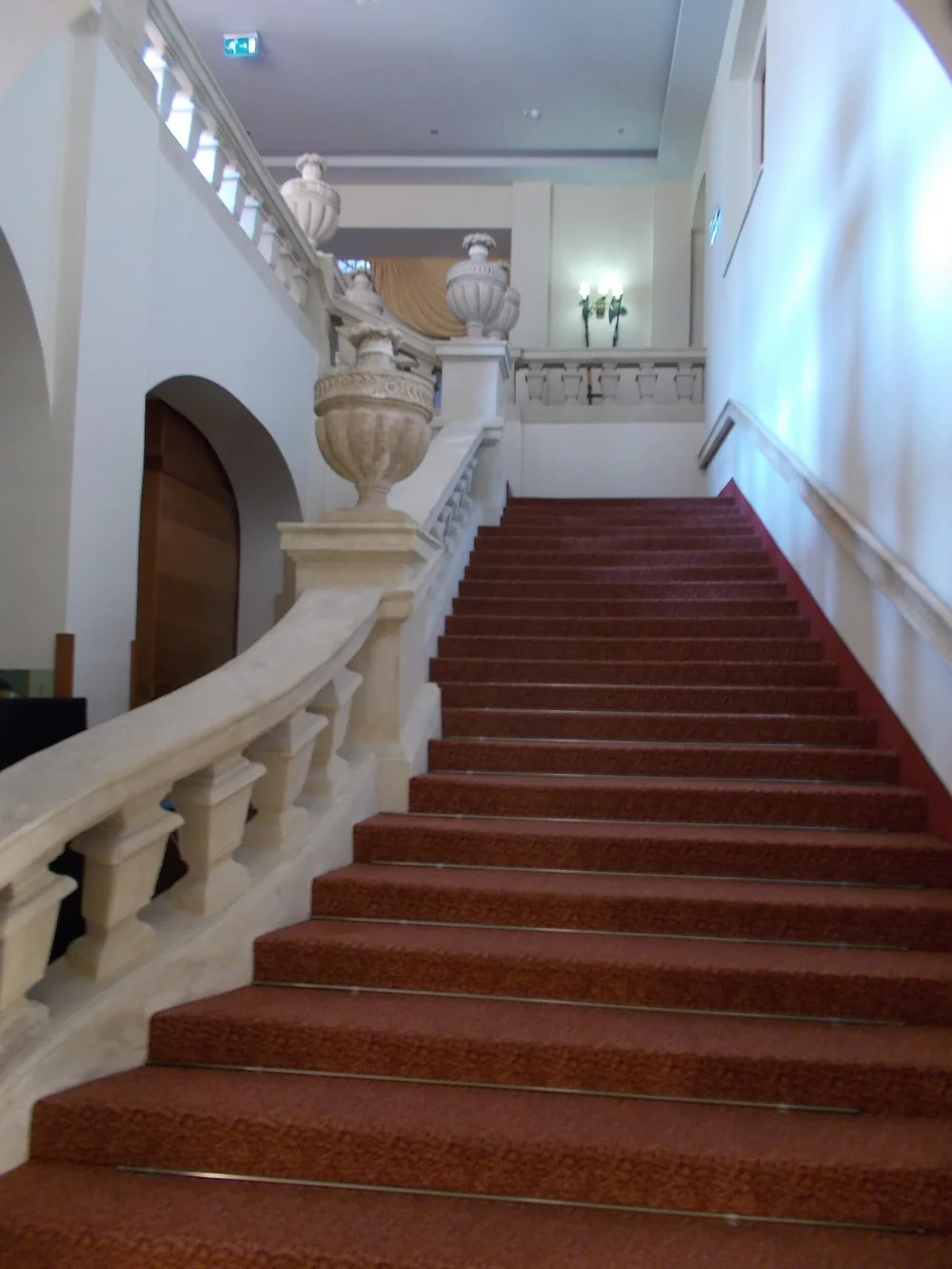
Photo: Globetrotter19, CC BY-SA 3.0, via Wikimedia Commons
How more than one room becomes involved
Most multi-room situations are not caused by anything that happened at the time of death. They come from what happened afterward, when people did exactly what they should have done.
- A family member found the person and went to the phone, the front door or another room for help.
- Paramedics and firefighters came in with equipment, worked, and left by a different route.
- Investigators walked between rooms over several hours.
- Pets moved around the house before anyone thought to shut them away.
Each of these can leave small traces on floors, door handles, light switches, stair rails and rugs. Footprints on carpet are easy to miss once they dry. None of this is anyone's fault, but it does mean the work has to cover more than the room where the person died.
How we map the affected areas
The assessment for a multi-room job takes longer than for a single room, and it should. We trace the likely paths people took, from the room where the death occurred to every exit and every room someone may have entered.
| Area | What we check |
|---|---|
| Primary room | Floors, walls, ceiling, furniture, fixtures and anything beneath them |
| Hallways and stairs | Carpet runners, treads, handrails, baseboards |
| Doorways and exits | Handles, frames, thresholds, entry rugs |
| Bathrooms and kitchens | Sinks, towels and faucets people may have used to wash |
| Vehicles and garages | Only if someone traveled through them; we ask you rather than assume |
We may use lighting and testing to confirm areas that look clean. The written scope then lists each room separately, so you can see exactly what is being done where. Our guide on how professionals assess rooms and materials describes this in more detail.
Containment between rooms
When several rooms are involved, the risk is that cleaning one area spreads material into another. Containment prevents that. In practice it can include:
- Plastic sheeting across doorways, with a zip entry, to separate work zones
- A single, defined path in and out of the house for our team and the waste
- Protective floor covering along that path
- Covering or pausing HVAC returns near the work area where possible
- Changing protective equipment when moving between zones
The rest of the home stays outside the contained area. You can read more in how cleanup teams manage access and containment.
The order we clean in
Set up containment first
Barriers and protected walkways go in before any material is disturbed.
Work from the least affected areas inward
Hallways, stairs and doorways are cleaned first, so we are not tracking material back through them later.
Address the primary room
Larger removal, such as carpet, pad or furniture, happens once the routes out are clear.
Disinfect and deodorize each zone
Each area is finished and checked before its barrier comes down.
Final walk-through, room by room
We go through the house with you or your representative using the room list from the scope.
Living around a larger job
A multi-room job is harder to live alongside. Some parts of the house may be closed off for longer, and the route between bedrooms and the kitchen may be affected. We will tell you at the assessment which rooms will be unavailable and for roughly how long, so you can decide whether to stay elsewhere.
Before we arrive, the most helpful things are simple: keep pets confined away from hallways and stairs, avoid walking the route from the affected room if you can, and do not try to wipe handles or floors yourself. If you have already cleaned some areas, that is understandable; just tell us where so we can check them.
Records for a larger job
The more rooms involved, the more useful good records become, whether for an insurer, an estate, a landlord or simply your own peace of mind. For multi-room work we photograph each area before and after, and the itemized invoice lists rooms and materials separately rather than as a single total.
If an insurer, executor or property manager needs a copy, tell us who should receive it. Some homeowners and renters policies may cover part of this kind of work, depending on the policy and the insurer, and room-by-room records make that conversation easier. Our guide to documentation in biohazard remediation explains what these records usually contain.
Who usually calls about multi-room work
These calls often come from a relative who arrives after the authorities have left and notices marks in more than one place. Sometimes they come from a landlord or property manager after a walk-through, or from a funeral director who has been asked for a recommendation. We work with whoever has authority over the property.
What affects scope and price
The number of rooms is only one factor. Price also depends on the type of flooring in hallways and stairs, whether any porous items have to be removed outside the primary room, how easy it is to reach each area, and how much waste is produced. Each room is listed on the written scope so nothing is hidden. Our pricing page explains how this works. We travel from Nashville to homes throughout the areas we serve, including Rutherford County and Sumner County.
Questions people ask
How do you know which rooms are affected if nothing is visible?
We follow the routes people took and inspect handles, floors and fixtures along them. Dried traces can be hard to see on patterned carpet or dark flooring, so we look closely rather than relying on appearance.
Do you charge for rooms that turn out to be clean?
The scope lists the rooms that need work after the assessment. If a room is checked and found to be unaffected, we tell you and it is not part of the cleanup scope.
Can we keep using the kitchen during the work?
Usually, unless the kitchen is one of the affected areas or sits on the only route out. We will tell you at the assessment which spaces will be unavailable.
Does the HVAC system need cleaning?
Not always. If returns or vents were close to an affected area, we check them. Where ductwork itself needs specialist cleaning, we will let you know.
I already wiped some surfaces. Is that a problem?
No. It is a natural reaction. Tell us which areas you cleaned and what you used, so we can inspect and disinfect them properly.
Sources
Have more than one room to deal with?
Call (615) 513-5112 and tell us what you have noticed. We will plan the assessment around the whole house.

