Understanding Biohazard Remediation and Odor Concerns
Odor after a death or biohazard incident comes from biological material that is still present somewhere in the property, often in porous materials or hidden spaces. Lasting improvement comes from finding and removing that source, then cleaning, disinfecting and ventilating. Sprays, candles and machines that only treat the air can cover odor for a while, but they cannot remove its cause.
This guide explains where these odors come from, the general methods professionals use, what the EPA says about ozone generators, why some odor can take time to settle, and how to tell whether a problem has truly been addressed.
Noticing a smell in a loved one's home can be very distressing. It is not a reflection on anyone, and it is something that can be dealt with properly.
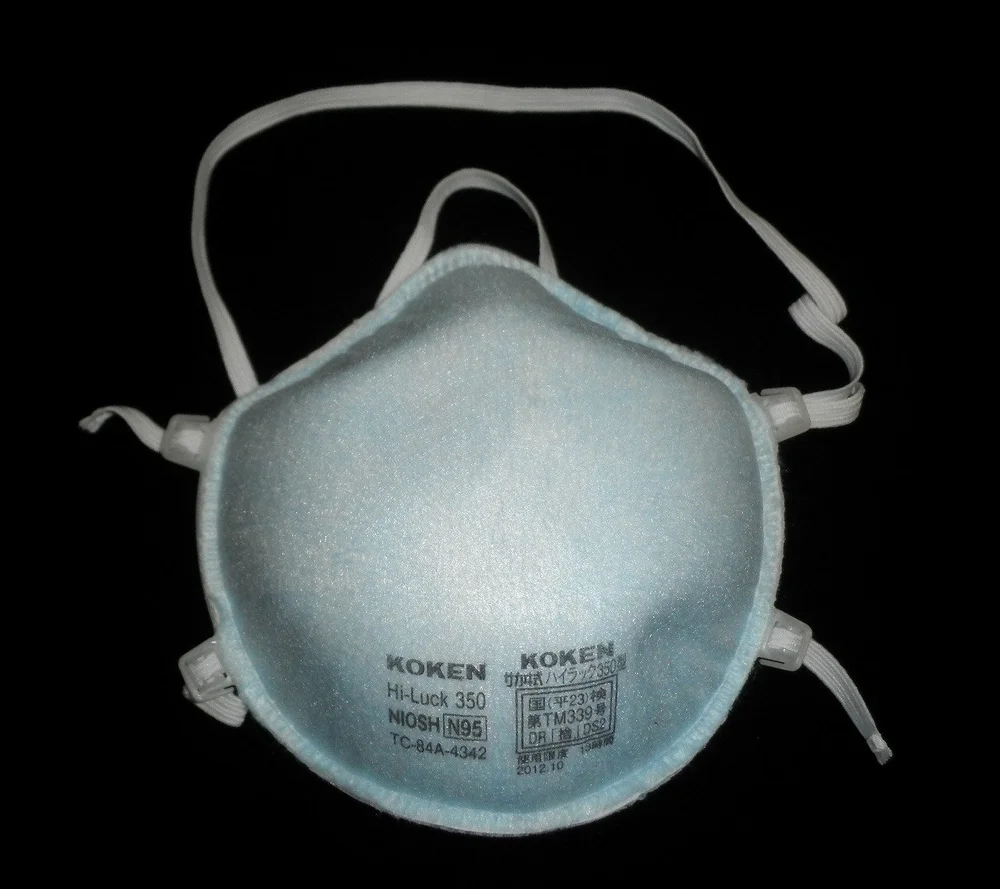
Photo: Hanabishi, CC0, via Wikimedia Commons
Where the odor actually comes from
The odor people notice after an unattended death, a significant blood loss or other biological contamination comes from the breakdown of organic material. As that material breaks down, it releases gases and compounds into the air. While any of the material remains, it keeps releasing them.
That is the central point of this guide. The smell is not a separate problem floating in the room. It is a sign of something physical that is still there. Dealing with odor therefore starts with the same question as any biohazard cleanup: where is the material, and how far did it go?
Common places a source remains even after a room looks clean include:
- Carpet pad and the subfloor beneath it
- Mattresses, sofas and other upholstered items
- The bottom edge of drywall and the space behind baseboards
- Seams in hard flooring and the underlayment below
- Gaps under cabinets, vanities and appliances
- Heating and cooling ductwork near the affected area
- Clothing, bedding and soft items that were in or near the room
For deaths that went undiscovered for some time, our page on odor-related biohazard remediation explains how we approach this service.
Why odor reaches rooms that were never affected
People are often surprised to notice odor at the other end of a house, or in an apartment next door. There are several reasons this happens.
Air moves through the building
Heating and cooling systems pull air from one area and push it to others. If the system was running, odor can travel through returns and ducts. Gaps under doors, open stairwells and shared attic spaces do the same thing more slowly.
Soft materials absorb odor
Curtains, clothing, bedding, upholstery and carpets elsewhere in the home can absorb odor from the air even though they never touched biological material. This is different from contamination. These items usually respond to laundering or cleaning, while contaminated materials usually need removal.
Shared walls and structures
In apartments, condos and townhomes, odor can move through shared walls, plumbing chases and building ventilation. That is one reason multi-unit buildings often need more coordination. Our page on unattended death cleanup in apartments covers that setting.
Understanding this distinction helps keep a scope proportionate. A sofa in the next room that smells is not necessarily contaminated, and treating it as if it were would remove things that could have stayed.
Is the odor itself dangerous
Odor is unpleasant and can cause headaches, nausea or difficulty sleeping for some people. It is also a useful signal that biological material is still present, and that material can carry real health concerns. The CDC notes that bloodborne pathogens such as hepatitis B, hepatitis C and HIV can spread through contact with infected blood. The most practical approach is to treat odor as a reason to keep people and pets out of the affected area until it has been assessed and the source has been dealt with.
It is better to avoid sitting or sleeping in the affected area, and to avoid running the home's heating or cooling system into it if you can easily avoid doing so. Closing the door to the room is a simple, safe step. Our guide on what not to do before an assessment lists other safe, non-cleaning actions.
Remediation starts with source removal
Professional odor work follows a clear order. Each step depends on the one before it.
Find every source
The affected area and everything around it is inspected, including the layers beneath flooring and behind trim, to locate all remaining biological material. See how professionals assess affected rooms and materials.
Remove what cannot be cleaned
Soaked porous materials, such as carpet pad, mattresses, upholstered furniture and affected drywall, are removed and disposed of as regulated waste. This step usually makes the biggest single difference. More detail is in what happens to contaminated porous materials.
Clean the remaining surfaces
Exposed subfloor, framing, concrete and hard surfaces are cleaned to remove residue. The CDC describes cleaning as the necessary first step before disinfection, because organic matter interferes with disinfectants.
Disinfect
EPA-registered disinfectants are applied according to label directions, including keeping surfaces wet for the stated contact time.
Address residual odor
Once the source is gone, remaining odor in the air and in surfaces is addressed using deodorization methods suited to the space, along with ventilation.
Check and re-check
The space is checked after the work, and again if needed, to confirm the odor is not returning from a missed source.
If step five happens before steps one to four, the result is usually temporary. That is why masking odor early can make a problem harder to diagnose later.
Deodorization methods in general terms
After the source is removed and surfaces are cleaned and disinfected, several general approaches are used to reduce remaining odor. Different companies use different products and equipment, and the choice depends on the property and the people living there.
Ventilation
Bringing in outdoor air and moving indoor air out is one of the simplest and most effective steps. The EPA's guidance on air cleaners states that the most effective ways to improve indoor air are to reduce or remove the sources of pollutants and to ventilate, and that filtration does not replace those steps.
Air filtration with gas-capturing media
Portable air cleaners with activated carbon or other media designed for gases can help reduce airborne odor compounds. The EPA notes that these need a large amount of filter material to work, and that the common CADR rating applies to particles, not gases.
Cleaning and treating hard surfaces
Exposed framing and subfloor can hold odor after removal. These surfaces may be cleaned and then treated with products intended for odor, and in some cases sealed with a primer or coating made to block odor, so that new materials installed later are not affected.
Treating soft items that were not contaminated
Clothing, curtains and other items that absorbed odor from the air, but never touched biological material, can often be laundered or professionally cleaned.
Heating and cooling systems
If odor traveled through ducts, the assessor may recommend changing the filter and having ductwork near the affected area evaluated. Ductwork repairs are usually a job for a heating and cooling contractor.
About claims you may read elsewhere
Be cautious of any method described as making odor disappear instantly or permanently. No air treatment works on a source that is still there, and honest providers describe odor work in terms of removing causes and reducing what remains.
What the EPA says about ozone generators
Ozone generators are widely sold and often mentioned in connection with odor. Before anyone uses one in your property, it is worth knowing what the U.S. Environmental Protection Agency has published about them.
- Health effects. The EPA states that when inhaled, ozone can damage the lungs, and that relatively low amounts can cause chest pain, coughing, shortness of breath and throat irritation. It can also worsen asthma.
- Effect on odor. The EPA says ozone is not effective at removing many odor-causing chemicals, and that it can react with some chemicals indoors to form harmful or irritating byproducts.
- Effect on biological contaminants. The EPA says ozone does not effectively remove viruses, bacteria, mold or other biological pollutants at levels that are safe for people, and may not affect contaminants embedded in porous materials.
- Occupied spaces. The EPA states that no agency of the federal government has approved these devices for use in occupied spaces. Where high ozone levels are used in unoccupied spaces, the EPA says conditions should be controlled so that no person or pet is exposed.
The practical takeaway is simple. Ozone is not a substitute for removing the source, and it should never be run where people or pets are present. If any provider proposes using it, ask why, how the space will be kept unoccupied, and how long before people can return. You can read the EPA's page on ozone generators that are sold as air cleaners in full.
How long odor takes to settle
There is no single timeline that fits every property. What can be said is which factors make a difference.
| Factor | Why it matters |
|---|---|
| How long before the incident was discovered | More time usually means deeper migration into materials and more absorbed odor in the building |
| Indoor temperature and humidity | Warm, closed spaces tend to hold stronger odor |
| Amount of porous material | Carpeted, furnished rooms hold more odor than rooms with hard floors |
| Whether heating or cooling was running | Air movement can carry odor into ducts and other rooms |
| Building type | Shared walls and building ventilation add areas to address |
| Thoroughness of source removal | A missed source keeps producing odor regardless of other treatment |
In many cases most of the odor drops noticeably once the source is removed. A faint residual smell can linger in the structure for a while after, especially in warm weather or when a home has been closed up, and ventilation helps it fade. A strong odor that returns, or one that stays the same, usually points to a source that has not been found yet. That is a reason to call back, not to keep adding air treatments.
For situations involving a longer time before discovery, see cleanup following a death discovered after an extended period and advanced decomposition cleanup.
The honest limits of odor work
It is better to know the limits up front than to be disappointed later.
- Some materials cannot be deodorized reliably. When odor is caused by contamination inside a porous item, removal is usually the answer, not treatment.
- Structural materials may need sealing or replacement. Subfloor and framing that held contamination may be cleaned and sealed, or a section may need replacement. That decision is made on site.
- People differ in sensitivity. One person may notice a faint smell that another cannot detect at all. Grief and memory can also make a smell feel stronger in a familiar room.
- Weather can bring back faint residual odor. Humidity and heat can briefly make a treated area smell more noticeable. That is different from a strong, persistent odor.
- Repairs come after. New flooring, drywall and paint are a contractor's work once the space is ready, as explained in biohazard cleanup versus standard restoration.
A good provider will tell you which of these apply to your property and what you can reasonably expect.
Things that make odor harder to resolve
When a smell is strong, it is natural to want to do something immediately. Several common responses tend to make the eventual work harder.
Tends to backfire
- Heavy use of air fresheners, candles or scented sprays, which mask the source and make it harder to find
- Running a rented ozone machine, especially in an occupied home
- Shampooing carpet, which can drive material deeper
- Painting over walls or laying new flooring before the source is removed
- Running the heating or cooling system on high to clear the air
Helps
- Closing the door to the affected room
- Keeping people and pets out of it
- Opening windows elsewhere in the home if that is easy and safe
- Leaving affected items in place for assessment
- Calling for professional help
For tiny spills on hard household surfaces, a household can follow public-health guidance. Odor is often a sign that the situation is beyond that, which is discussed in the limits of household cleaning.
Odor, sale and rental decisions
Owners and families preparing a property for sale or for a new tenant often ask whether the odor has to be fully gone first. In practice, a property with a lingering odor is hard to show, rent or sell, and most owners want the source dealt with before anyone views it.
On disclosure, Tennessee law includes a specific provision, T.C.A. § 66-5-207, stating that no cause of action arises against an owner or real estate licensee for failing to disclose that a property was the site of a homicide, felony or suicide. That is general information, not legal advice, and it does not address physical conditions in the property. If you are selling or renting a property after an incident, talk with an attorney about your situation. Landlords may also want to read biohazard cleanup for rental and investment properties, and families handling a loved one's home can see estate and property death cleanup.
Questions worth asking before odor work begins
Whether you are a family member, a landlord or a business owner, a few direct questions will tell you a lot about how odor will be handled in your property.
- Where do you think the odor is coming from? A clear answer names specific materials and areas, not just the room in general.
- What will be removed, and what will be cleaned? The written scope should list both, so you can see how the source is being dealt with.
- Which deodorization methods do you plan to use, and why? You should hear how the method fits your property and whether anyone needs to stay out during it.
- Will anyone need to leave the property, and for how long? This matters for households with children, older relatives, pets or people with breathing conditions.
- What should I expect afterward? An honest provider explains the difference between faint residual odor that fades and a persistent odor that means something was missed.
- What happens if the odor returns? Ask how a recheck would work.
- Will repairs be needed? If subfloor, drywall or ductwork is involved, you should know whether a contractor will be needed later.
Our broader list of questions to ask before hiring a biohazard cleanup company covers pricing, documentation and scheduling as well. Pricing for odor-related work, like other cleanup, comes from a written scope after assessment, as explained on our pricing page.
The short version on odor
Odor after a death or biohazard incident is a sign that biological material is still somewhere in the property. Lasting improvement comes in a set order: find every source, remove what cannot be cleaned, clean and disinfect what remains, then reduce residual odor with ventilation and suitable methods. Masking odor first usually just delays the real work.
The EPA has published clear cautions about ozone generators, including that they are not approved for occupied spaces and are not effective against many odor-causing chemicals. Timelines vary with the property, and a strong odor that returns usually means a missed source.
Nashville 24/7 Biohazard Disposals handles odor-related biohazard remediation across Middle Tennessee, traveling from our Nashville base. Call (615) 513-5112 at any hour to talk about what you are noticing, or read our overview of unattended death cleanup.
Questions people ask
Will an air purifier get rid of the smell?
An air cleaner with a gas-capturing filter, such as activated carbon, can help reduce airborne odor once the source is gone. It cannot remove a source that is still in carpet, furniture or the subfloor. The EPA notes that filtration does not replace removing sources and ventilating.
Is it safe to use an ozone machine I rented?
The EPA states that inhaled ozone can damage the lungs and that no federal agency has approved ozone generators for use in occupied spaces. It also says ozone is not effective at removing many odor-causing chemicals. We suggest not running one yourself, and never with people or pets present.
Why does the odor seem stronger on hot days?
Warmth and humidity can make residual odor more noticeable, especially in a closed-up home. A faint smell that comes and goes with the weather is different from a strong odor that persists, which usually points to a remaining source.
Do my clothes and curtains need to be thrown away?
Not usually, if they were only exposed to odor in the air and never touched biological material. Those items can often be laundered or professionally cleaned. Items that were in contact with bodily fluids are a separate question and are assessed individually.
Can a neighbor's apartment be affected by odor?
Yes. Odor can move through shared walls, plumbing chases and building ventilation. In multi-unit buildings, the property manager is usually involved in deciding whether neighboring units or common areas should be checked.
How will I know the source has been removed?
The odor should drop noticeably once source materials are removed and surfaces are cleaned and disinfected. Faint residual odor may linger for a while and fade with ventilation. If a strong odor persists or returns, contact the provider so the area can be rechecked.
Should I paint over the area to seal in the smell?
Not before the source is removed. Painting over contamination can trap material and make it harder to find later. Sealing exposed surfaces is sometimes part of the work, but only after removal, cleaning and disinfection.
Sources
Talk to someone about the odor
If a smell is lingering after a death or incident, we can find where it is coming from and explain what it will take to address it. Call (615) 513-5112 day or night.