What Property Managers Should Document Before Remediation
Before biohazard remediation starts in a unit you manage, document four things: the timeline of what happened and who released the unit, the condition of the property from the areas you can safely enter, the people and authorizations involved, and every communication with owners, residents and insurers. Do this without entering or disturbing the affected area.
Good records protect the owner, the residents and you. They support insurance claims, answer questions from family members later, and make the remediation scope easier to agree on. This guide gives a practical checklist, explains why each item matters and points out the documentation mistakes managers make most often.
Managers are often the first to hear about a death or violent incident in a building. If the event affected you or your staff, it is reasonable to step back and let someone else on your team handle the paperwork for a day.
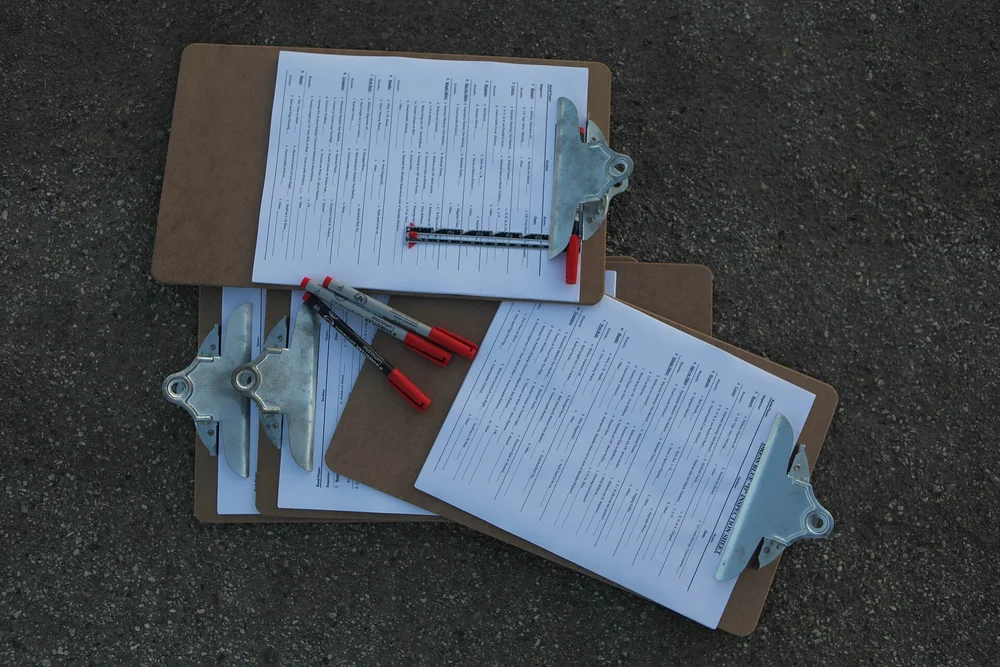
Photo: U.S. Marine Corps, public domain, via Wikimedia Commons
Why documentation comes before remediation
Once remediation begins, the affected area changes permanently. Carpet comes up, drywall sections are cut out, furniture is removed and the room is disinfected. That is the point of the work, but it also means the property will never again look the way it did when the incident was discovered. If an owner, insurer, attorney or family member later asks what was there and what condition it was in, your records are the answer.
Managers also sit between several parties whose interests do not always line up. The owner wants the unit back in service. The resident's family may want belongings preserved. Neighbors want reassurance. An insurer wants proof of loss. Clear, dated records let you respond to each of them consistently, without relying on memory from a stressful week.
None of this requires you to go into the affected room. The cleanup company will photograph the area itself as part of its own work. Your job is to capture everything around it. For the remediation side of the process, see our page on biohazard cleanup for property managers.
A boundary to set before you pick up a camera
Stay out of the affected area
Blood and other potentially infectious materials can carry bloodborne pathogens such as hepatitis B, hepatitis C and HIV, according to the CDC. Do not enter the contaminated room to take photos, retrieve items or check damage. Keep the door closed and restrict access until the professionals arrive.
If you have maintenance staff, make sure they know this too. Employers whose workers have occupational exposure to blood are covered by the OSHA Bloodborne Pathogens Standard, which requires things such as a written exposure control plan, training and protective equipment. If your maintenance team is not set up for that kind of work, the simplest policy is that they do not touch it. Tennessee runs its own OSHA-approved state plan, TOSHA, which covers private-sector and local government workplaces.
Also confirm the unit has been released. Police and the medical examiner must finish their work before anyone, including a cleanup company, begins. Ask the investigating agency when the scene is released and to whom, and write that down. The guide on how cleanup teams manage access and containment explains what happens to the space after release.
Record the timeline while it is fresh
Start a single dated log as soon as you learn of the incident. Keep it factual. Avoid opinions and speculation about causes. A simple format works: date, time, what happened, who was involved, and how you know.
- When and how you were first notified, and by whom
- Which agency responded, and any report or incident number they gave you
- When the unit was released, and the name of the person who released it
- Who has entered the unit since release, and why
- When you contacted the owner, the insurer and the cleanup company
- When the cleanup assessment took place and when work began and ended
Write down report numbers rather than guessing them later. If an officer gives you a card, photograph it. If the responding agency does not give you a report number, simply note that.
If the incident was a crime in a resident's home, the resident or an eligible family member may be able to apply to Tennessee Criminal Injuries Compensation for cleaning and removal costs. That program generally requires the crime to be reported to law enforcement within 15 days, so a clear record of the report is useful to them, not just to you.
What to photograph, and what not to
Photographs are the most useful single record a manager can make. Take them before anyone moves anything in the surrounding areas, and keep the originals with their timestamps.
Photograph
- The exterior of the unit and building entrance
- The unit door, lock and any visible damage to it
- Common areas next to the unit: hallway, stairwell, elevator landing
- Adjoining units' shared walls or ceilings, from the neighbor's side, with permission
- Utility meters and the HVAC unit or closet, if outside the affected area
- Any posted notices on the door
Leave to the professionals
- The interior of the affected room
- Any biological material
- Close-ups of personal belongings in the affected area
- Anything that requires stepping past the threshold
Photograph wide first, then medium shots. Include something in the frame that shows location, such as the unit number. If your phone records location data, leave it on for these images.
The remediation company will produce its own photographs of the affected area before and after. Ask to receive a set. Together with yours, they make a complete record. Our guide to documentation in biohazard remediation describes what a cleanup company typically records.
Pull the unit file before anyone asks for it
Much of what you need is already in your files. Pulling it together early saves time when the owner or insurer calls.
Lease and occupants
Copy the current lease, the list of authorized occupants and the emergency contact on file. Note whether the resident had renter's insurance on record.
Move-in condition
Find the move-in inspection report and photographs. These show the flooring, finishes and fixtures that were in place before the incident, which matters for any later conversation about replacement.
Recent work orders
List recent maintenance in the unit, especially flooring, plumbing or HVAC work. A recent carpet replacement, for example, is useful information for an insurer.
Finishes and materials
Record what the floors and walls are made of if you know: carpet over plywood, luxury vinyl plank over concrete, painted drywall. This helps the remediation assessor anticipate what may need removal.
Access details
Note gate codes, parking, elevator reservation rules and any building hours that will affect the crew. See how property access affects a cleanup project.
Keys, entry and chain of access
After an incident, managers often lose track of who has been inside a unit. That gap causes problems later if a family member asks about missing belongings or an insurer asks about the condition of the property.
Keep a simple access record. Each time someone enters, write down their name, organization, the time in and out, and the reason. That includes your own staff, the cleanup crew, family members collecting items and any adjuster. If you rekey the unit, note when and who holds the new keys.
When a resident has died, families sometimes arrive wanting to collect belongings before cleanup. Whether and when they can enter is often a legal question tied to the lease and the estate, and the answer can vary. Check your company's policy and, if needed, talk to an attorney before granting entry. If they do enter, record it. Our page on unattended death cleanup in apartments discusses how belongings in the affected room are usually handled.
Insurance contacts and claim records
Insurance after a biohazard incident in a rental can involve more than one policy: the owner's property policy, the resident's renter's policy if there is one, and sometimes a commercial or umbrella policy. Coverage depends entirely on the policy and the insurer, so your role is to gather and share the facts, not to predict an outcome.
Keep a record of:
- Each insurer contacted, the claim number and the adjuster's name and contact details
- The date of each call and a short summary of what was said
- Any instructions the adjuster gave, especially about discarding items
- Copies of the remediation provider's written scope, photographs and itemized invoice
A common instruction from insurers is not to throw away damaged contents until they have been documented. Follow whatever the adjuster tells you, and write it down. The guide to insurance questions after a biohazard incident has a list of questions to ask.
Keeping your records private and respectful
The records you create may contain sensitive information about a resident who has died or been hurt, their family and the circumstances. Treat them that way. Store them in a restricted folder rather than a shared drive the whole office can browse, and share them only with people who need them: the owner, the insurer, the remediation company and, if relevant, an attorney.
Write about the incident in neutral terms. Use phrases like "the incident in unit 4B" rather than descriptions of what happened. If you need to record details from law enforcement, note the report number rather than copying narrative details into your own files. Residents' families sometimes ask for copies of a manager's notes; neutral, factual records are easier to share and less painful to read.
Keep a record of what you told residents
Neighbors will notice police activity, a closed unit and a cleanup crew. Many will ask questions. A short, consistent written notice reduces rumor and protects the privacy of the resident and their family.
Keep copies of every notice you post or send, with the date. A typical notice says that an incident has occurred, that the unit is closed, that professional cleanup is scheduled, and who to contact with concerns. It does not name the resident, describe what happened or speculate about cause.
Record any complaints or concerns you receive from neighbors, such as odor in a hallway, and what you did in response. If odor has reached a shared space, tell the remediation company so they can include it in the assessment. The apartment manager's guide to traumatic incidents covers resident communication in more depth.
Records to collect during and after the work
Documentation continues once remediation starts. From the cleanup company, ask for:
- The written scope you approved, and any written change approvals
- Before, during and after photographs of the affected area
- An itemized invoice that separates cleanup from any other charges
- A statement that contaminated material was packaged and removed for disposal
- A note of anything that will need a contractor, such as new drywall or flooring
Medical waste is a special waste in Tennessee and generally cannot go to an ordinary landfill without treatment, according to TDEC guidance. You do not need to manage that process, but it is reasonable to have it on record that the provider took the material away rather than leaving it in the building's dumpster.
Finally, record the date the unit was handed back and its condition at handover. If a contractor is needed for repairs, start a separate record for that phase. At Nashville 24/7 Biohazard Disposals we will tell you if a unit is likely to need a contractor before it can be re-let, but we do not do reconstruction. See biohazard cleanup versus standard restoration.
Documentation mistakes managers make
These are the gaps that tend to cause problems weeks or months later.
- Relying on memory. A week of calls blurs together. Write each entry down before you go home.
- Letting maintenance staff do a first pass. Even well-meant wiping or bagging can spread contamination and destroys the record of what was there.
- Discarding items before the insurer agrees. Once gone, they cannot be documented.
- Verbal approvals with no follow-up. An owner may remember the conversation differently.
- Inconsistent resident notices. Different staff saying different things creates rumor.
- Not asking for the cleanup company's photographs. They are the only record of the affected area itself.
- No record of who entered. This is the most common source of later disputes about belongings.
If you manage several buildings, consider writing a one-page procedure now so that the next manager on duty knows what to record. The guide on cleanup for rental and investment properties discusses planning across a portfolio.
The manager's checklist in one place
Here is the whole process condensed. Print it and keep it with your emergency procedures.
- Keep everyone out of the affected area and close the door.
- Confirm release by law enforcement and the medical examiner, and record who released the unit.
- Start a dated log with notification, agency, report number and timeline.
- Photograph the exterior, door, common areas and adjoining spaces, not the affected room.
- Pull the lease, occupant list, move-in report, recent work orders and access details.
- Start an access log for everyone who enters.
- Notify the owner and get written approval of provider and scope.
- Contact insurers, record claim numbers and follow instructions on contents.
- Post a short, private, consistent notice to residents and keep a copy.
- Collect the cleanup company's scope, photos, invoice and disposal statement.
- Record handover date and condition, and start a separate repair file if needed.
When you are ready to arrange the remediation itself, call Nashville 24/7 Biohazard Disposals at (615) 513-5112, or see our landlord biohazard cleanup services and crime scene cleanup for property managers.
Questions people ask
Can I go into the unit to photograph the damage for the owner?
Photograph the surrounding areas only. Do not enter the affected room. The remediation company photographs the affected area as part of its work and can share those images with you and the owner.
Who should be listed as the client on the cleanup invoice?
Usually whoever approved and is paying for the work, often the owner or the ownership entity. Check your management agreement and confirm with the owner in writing before work starts.
What if the resident's family wants to remove belongings first?
Their right to enter can depend on the lease, the estate and local law. Check your company policy and get legal advice if unsure. Record every entry, and keep them out of the affected room until it has been remediated.
Do I need to tell future applicants about the incident?
Tennessee law, T.C.A. 66-5-207, says no cause of action arises against an owner or real estate licensee for failing to disclose that a property was the site of a homicide, felony or suicide. Other obligations may still apply, so this is general information, not legal advice. Talk to an attorney about your situation.
How long should I keep these records?
That depends on your company's retention policy, your insurer and any legal matters connected to the incident. Ask the owner and, where relevant, an attorney. Keep them at least until any claims are fully resolved.
Should maintenance staff remove carpet or furniture to speed things up?
No. That exposes staff to potentially infectious material and removes evidence of the loss before it is documented. Leave removal to the remediation company.
What should I tell the cleanup company when I first call?
The property address and unit, when the unit was released, the type of incident in general terms, the flooring and finishes if known, access details and who will approve the scope. You do not need every detail to make the first call.
Sources
Ready to schedule an assessment for a unit
Call (615) 513-5112 at any hour with the address, release details and access information, and we will explain the next step for your property.

